Derasat and UNDP showcase Bahrain’s Digital Transformation and Human Development Journey in New York
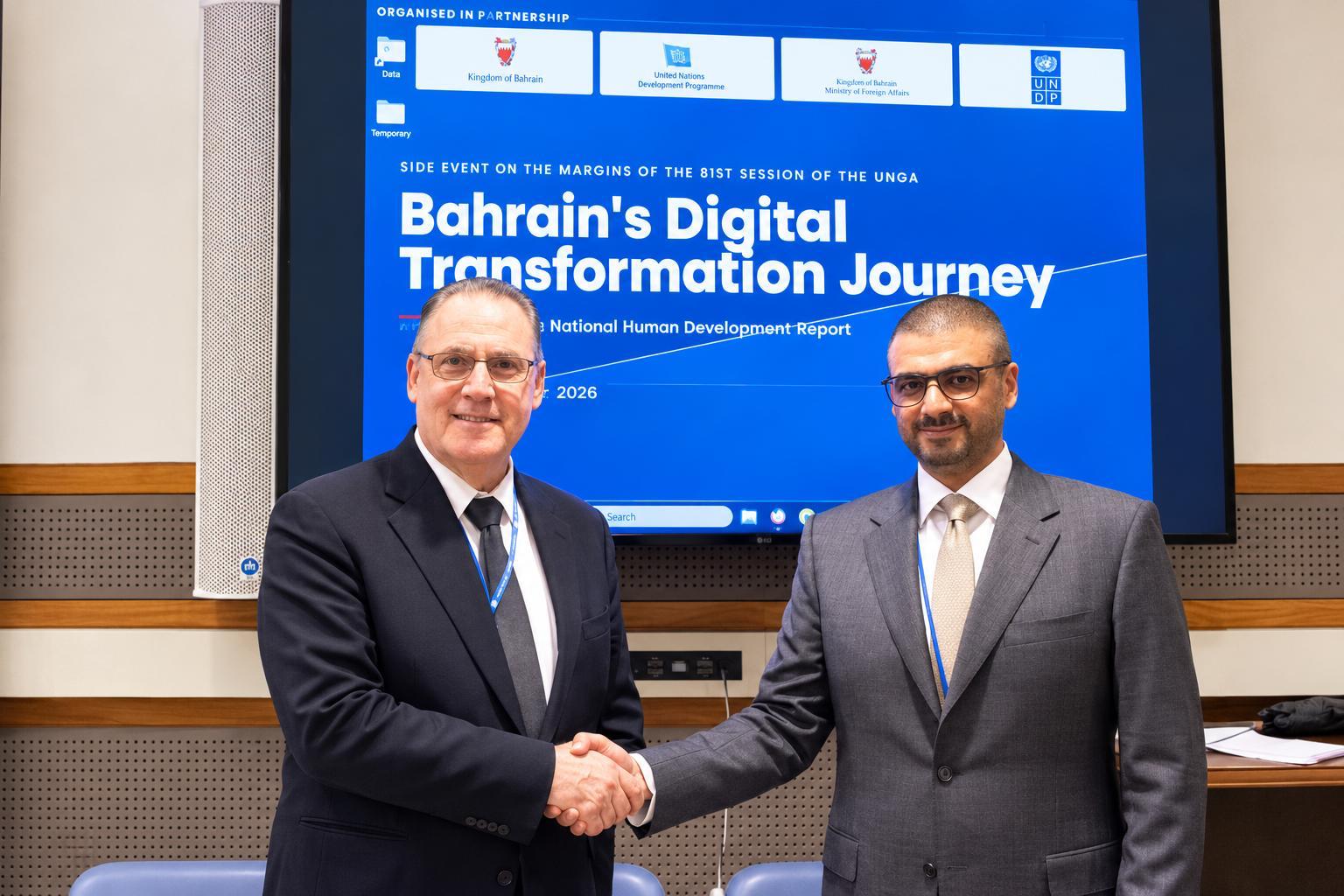
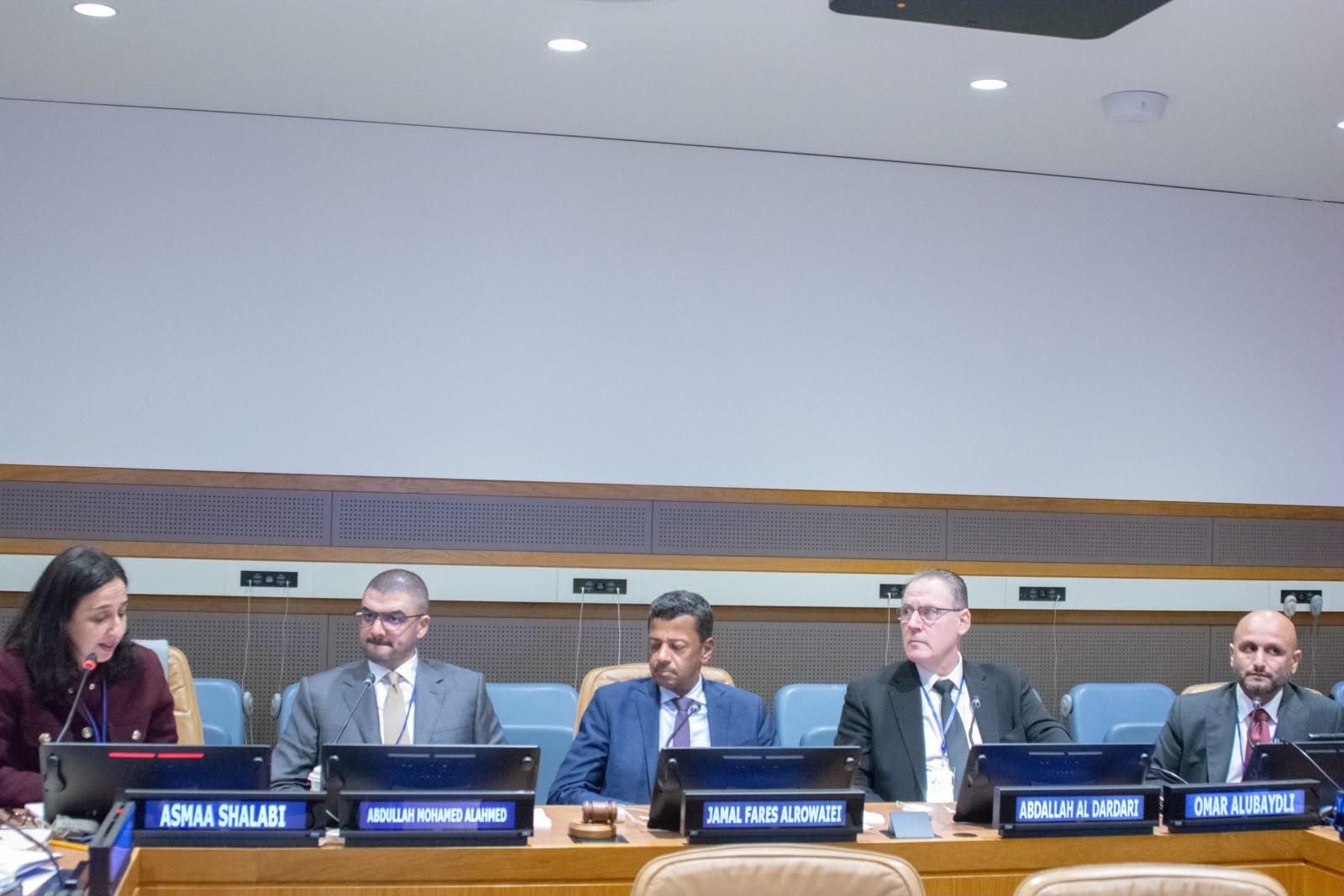
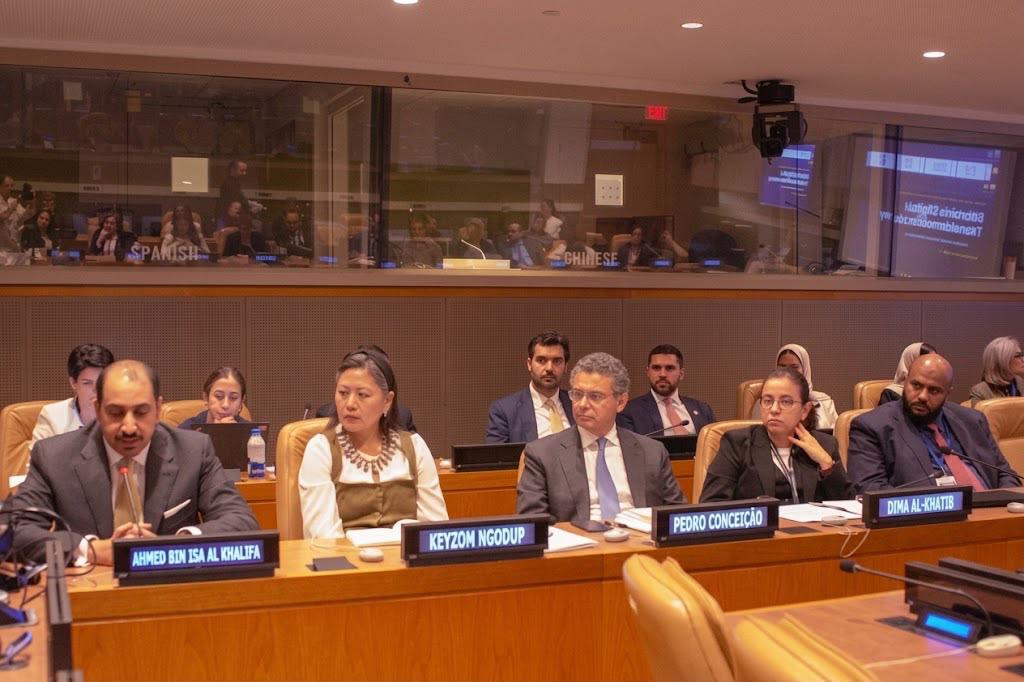
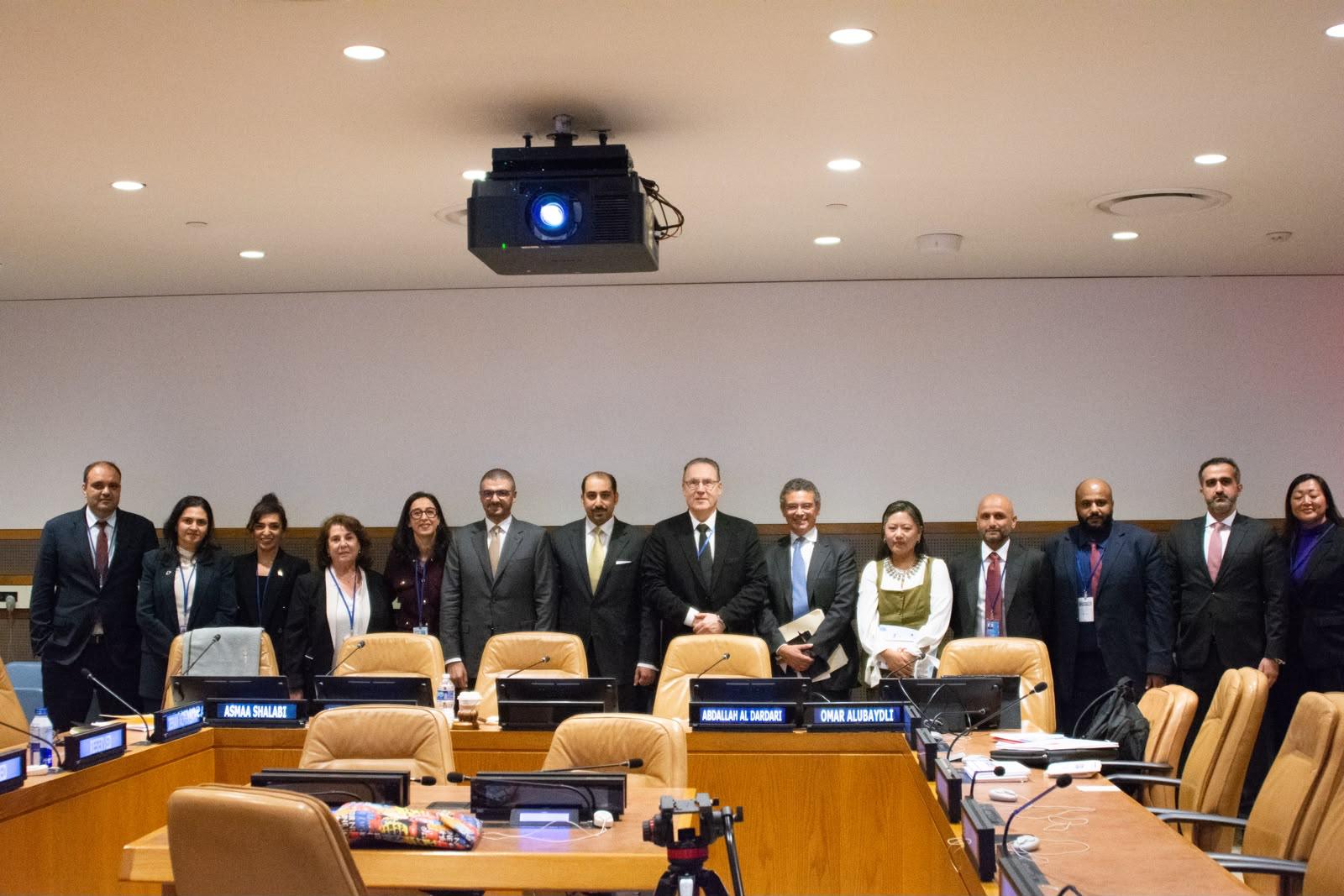
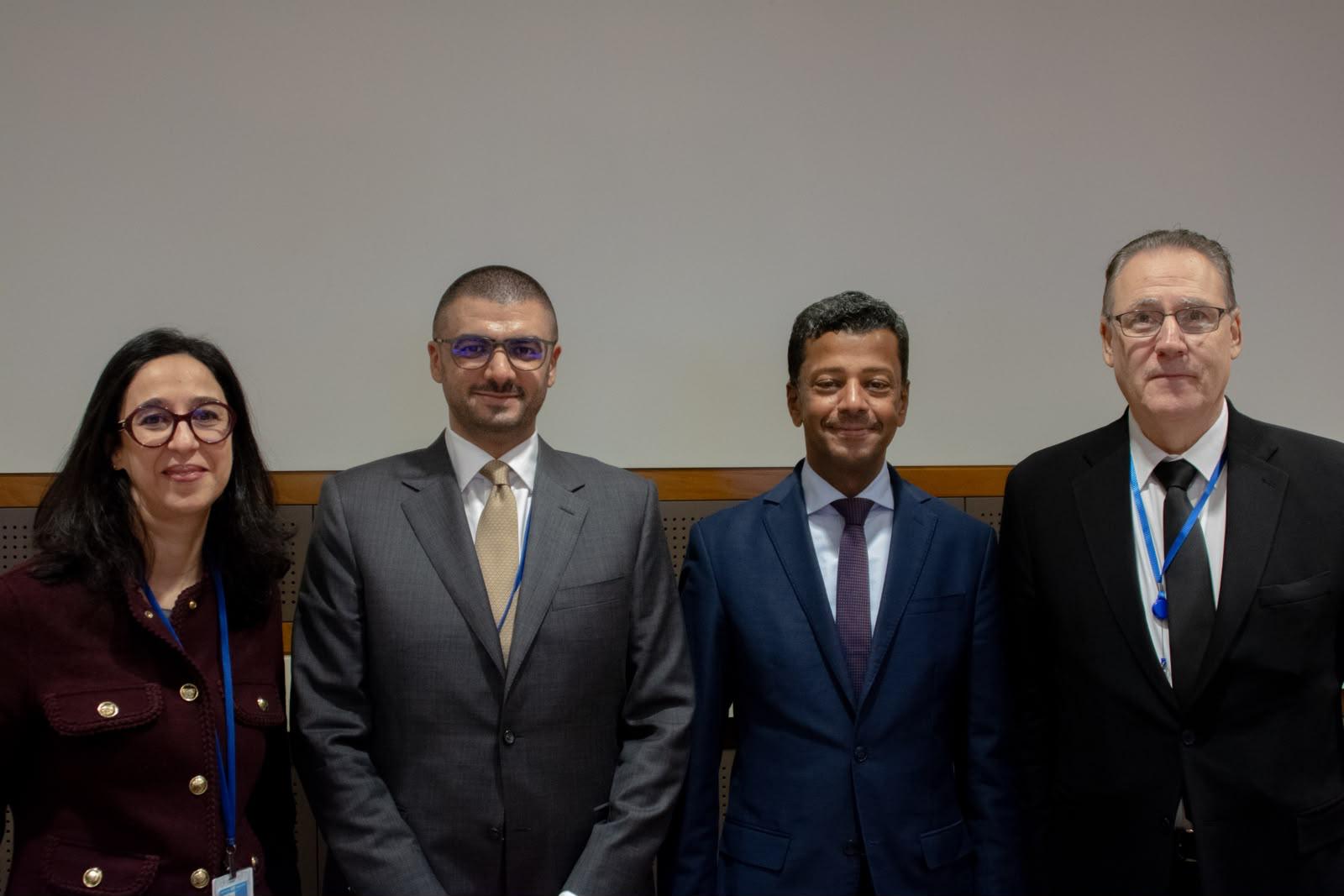
The Bahrain Center for Strategic, International and Energy Studies (Derasat), in cooperation with the United Nations Development Programme (UNDP) in the Kingdom of Bahrain, organized a high-level, interactive dialogue titled “Digital Transformation Journey in the Kingdom of Bahrain: The National Human Development Report.” The event took place at the United Nations Headquarters in New York on the sidelines of the 81st Session of the General Assembly. The distinguished gathering brought together senior government officials, UN leadership, policymakers, representatives of technology and knowledge institutions, international partners, and representatives from the Ministry of Foreign Affairs and the Ministry of Transportation and Telecommunications in the Kingdom of Bahrain. It examined Bahrain’s digital transformation experience, public policy choices, institutional capacities, and partnerships required to channel technological progress into tangible human development outcomes. and featured a briefing on the preliminary insights and findings of the upcoming report regarding digital transformation, followed by a high-level discussion and interactive participant engagement.
Derasat CEO Mr. Abdulla Mohamed Alahmed emphasized that the true value of digital transformation is measured by the opportunities it creates for individuals, the tools it provides to expand their capabilities, and how it empowers them to shape their future. He noted that Bahrain benefits from an advanced digital foundation built through cumulative investments in digital infrastructure, government services, and connectivity. He added that the National Human Development Report — jointly prepared by Derasat and the UNDP — places individuals at the core of digital transformation by focusing on human capital, inclusion, innovation, productivity, responsible governance, and Bahrain’s digital future. Furthermore, he highlighted that strengthening human capital is a key pillar enabling the Kingdom to keep pace with rapid technological shifts, noting that the “Team Bahrain” approach, led by His Royal Highness Prince Salman bin Hamad Al Khalifa, Crown Prince and Prime Minister, fosters institutional synergy across sectors around shared national priorities.
“Today, across the Arab States region, digital transformation is an imperative. It is reshaping our economies, our institutions, and the way people live and work. Artificial intelligence is accelerating this change at an unprecedented pace,” said Abdallah Al Dardari, UN Assistant Secretary-General and Director of the Regional Bureau for Arab States, UNDP. “As we are doing across the region, UNDP is pleased to work with our partners in Bahrain to support the Kingdom’s digital transformation journey, helping to ensure that it is not shaped by market forces alone, but equally by how it advances human development and expands opportunities for people.”
During his remarks, the Permanent Representative of the Kingdom of Bahrain to the United Nations, Ambassador Jamal Fares Al Rowaiei, stressed the importance of cooperation between the Kingdom of Bahrain and the United Nations in advancing digital transformation as a tool for promoting human development. He highlighted the Kingdom’s efforts to develop digital government services, expand economic and financial opportunities, empower youth, and foster innovation and financial inclusion, thereby contributing to the achievement of the Sustainable Development Goals.
Dr. Omar Ahmad Al Ubaydli, Director of Studies and Research at Derasat and co-leader of the report team, delivered a presentation outlining the report’s primary insights regarding the impact of digital transformation on human development. Key topics included digital inclusion, skills development, education, the labor market, youth and women empowerment, digital health, innovation, economic diversification, data governance, cybersecurity, artificial intelligence, and emerging technologies. He also addressed the strategic directions for Bahrain’s digital future, which encompass reinforcing institutional integration and digital leadership, accelerating human capital development, deepening the innovation ecosystem and private sector partnerships, supporting digital inclusion and equity, and aligning digital policies with the Sustainable Development Goals (SDGs).
The briefing was followed by a high-level discussion addressing the impact of digital transformation on the economy, institutions, and development. Participants deliberated on the prerequisites for placing humans at the center of artificial intelligence policies, alongside the regulatory choices and investments needed to expand opportunities, inclusion, and trust. Discussions also explored avenues for bolstering cooperation among governments, the United Nations, the private sector, and developmental and knowledge institutions, while leveraging Bahrain’s experience to foster knowledge-sharing and international cooperation.
The National Human Development Report is currently being compiled jointly by Derasat Center and UNDP Bahrain to examine the impact of digital transformation through evidence-based analysis and deliver actionable policy recommendations. The full report is scheduled for official launch in early 2027.
The event successfully showcased Bahrain’s model within the global dialogue on the future of digital transformation, artificial intelligence, and human development; paving the way for broader knowledge exchange and international partnerships.
Media Coverage