The Critical Link Between Energy Stability and Water Security
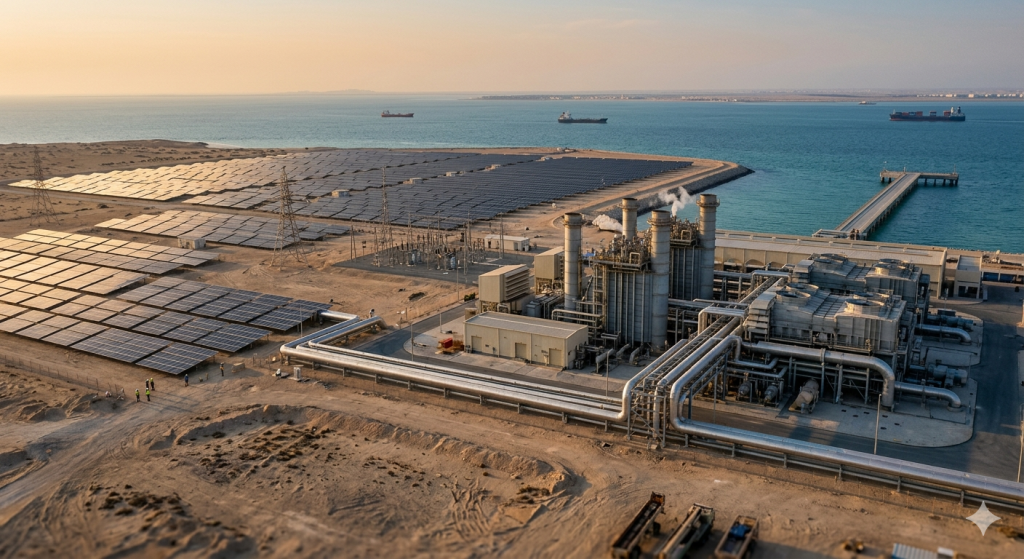
In arid regions, water security is closely tied to energy security. Across the Arabian Gulf and other desert environments, desalination provides the majority of freshwater used for households, industry, and agriculture. Desalination is an energy-intensive process where dissolved salts and minerals are removed from seawater to produce potable water. This renders reliable energy supply as […]
The illogicality of charging tolls for passage through the Strait of Hormuz
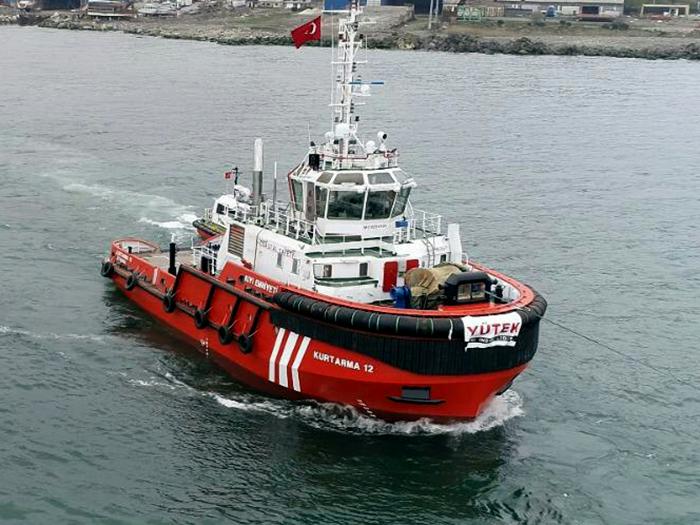
Reports indicate that Iran has begun charging tolls on selected vessels transiting the Strait of Hormuz and is considering formalizing a broader toll system. While the legal framework governing such matters is complex, the history of postwar marine navigation reveals a persistent pattern in how states treat navigation through natural chokepoints. This pattern is also […]
The critical role of the International Maritime Organization in securing navigation in the Strait of Hormuz amid Iranian disruptions
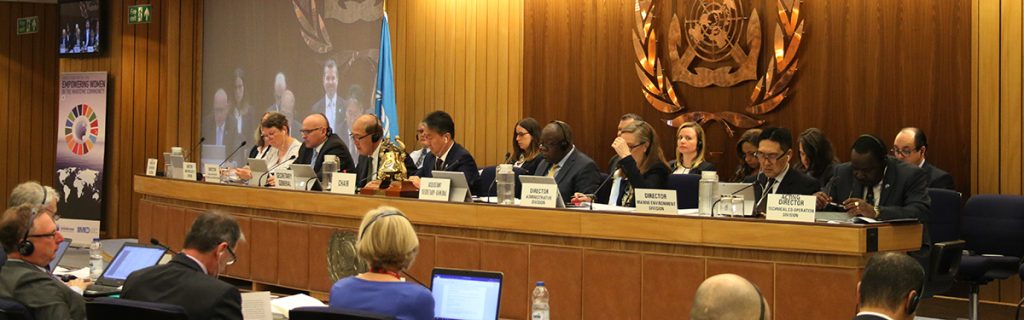
The Strait of Hormuz stands as one of the world’s most vital maritime and economic chokepoints. It handles approximately 20-21 million barrels of oil per day, making about 20-25% of global seaborne oil trade and roughly one-fifth of total world oil consumption. Significant volumes of liquefied natural gas and other commodities also transit this route, […]
Safeguarding the Skies: ICAO’s Importance in Air Navigation Security amid Escalating Regional Conflict

The ongoing conflict in the Arabian Gulf region has underscored a critical yet often overlooked dimension of modern warfare: the vulnerability of civil aviation. As military escalation intersects with civilian infrastructure, the safety of air navigation has emerged as a pressing international concern. In this context, the role of the International Civil Aviation Organization (ICAO) […]
The Overlooked Costs of Conflict in the Strait of Hormuz
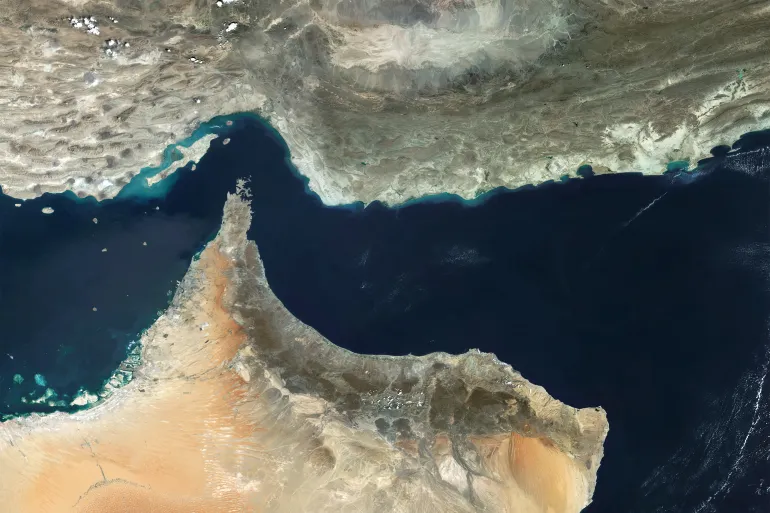
The Strait of Hormuz is most often framed in geopolitical and economic terms as an artery through which a substantial share of the world’s oil, gas, and petrochemical products flows. Yet, this narrow passage is not merely a strategic corridor, it is part of a living ocean system. Beneath its surface lies one of the […]
Derasat Participates in a Seminar Organized by the Atlantic Council, on the “GCC Fiscal Resilienceand Macroeconomic Stability in GCC Countries During the Iran War”
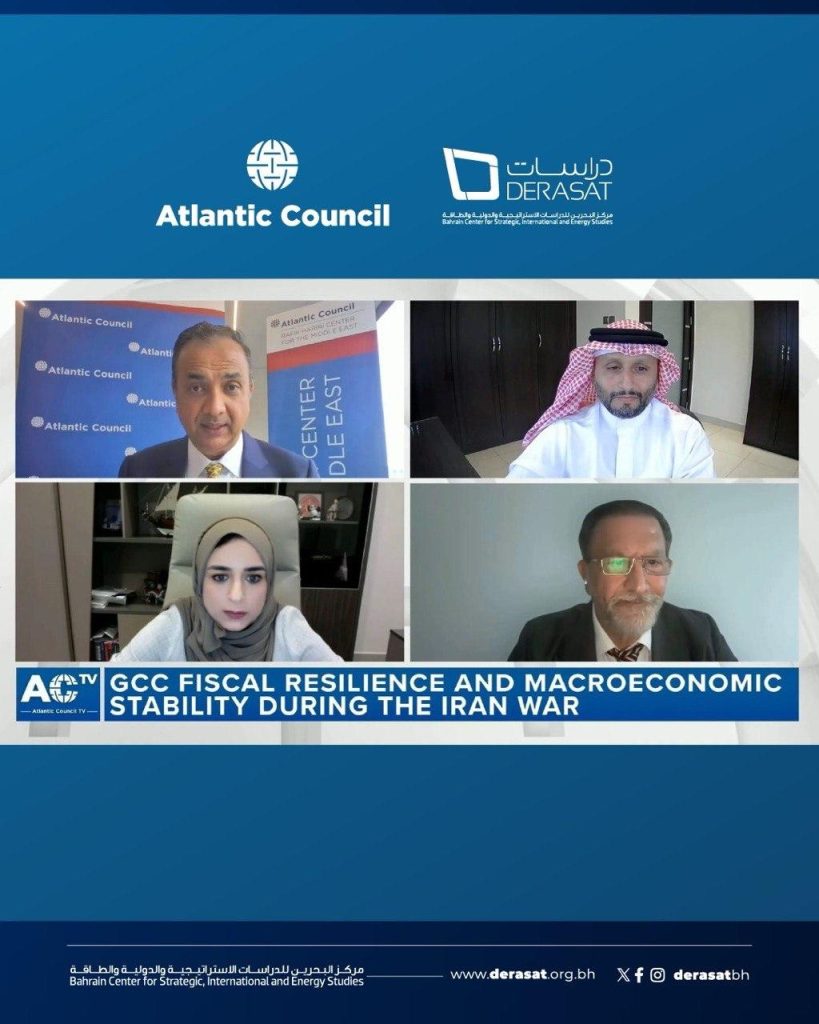
Dr. Omar Ahmad Al-Ubaydli, Director of Studies and Research at the Bahrain Center for Strategic, International and Energy Studies (Derasat), participated in an online seminar organized by the Atlantic Council through the “Middle East and North Africa Future Lab”, titled: “GCC Fiscal Resilience and Macroeconomic Stability in GCC Countries During the Iran War”.The seminar addressed […]
Poll On: The U.S. Federal Reserve’s Interest Rate Cut

A survey conducted by the Bahrain Center for Strategic, International, and Energy Studies (Dirasat) revealed mixed expectations among Bahraini citizens regarding the economic impact of the U.S. Federal Reserve’s decision to cut interest rates in late October 2025. The survey, which aimed to gauge Bahraini citizens’ views on the decision’s implications for certain economic activities, […]
The efforts and excellence of the Kingdom of Bahrain and the GCC countries in managing and containing crises and emergencies
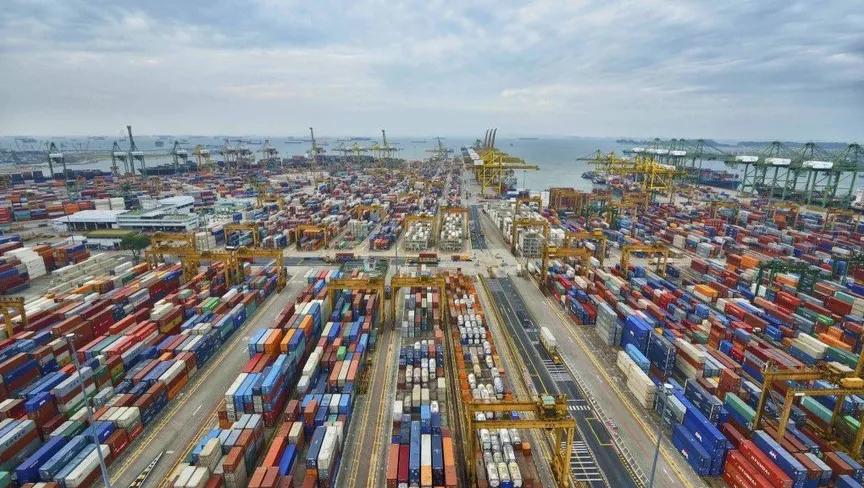
The military confrontations between the United States, Israel, and Iran, which erupted on February 28, 2026, reflected the three characteristics of a crisis: it came without warning, required decisive decisions from the Gulf Cooperation Council states within a very limited timeframe, and was marked by conflicting or insufficient information. On the other hand, the crisis […]
The safety of maritime navigation in international straits is the responsibility of all nations
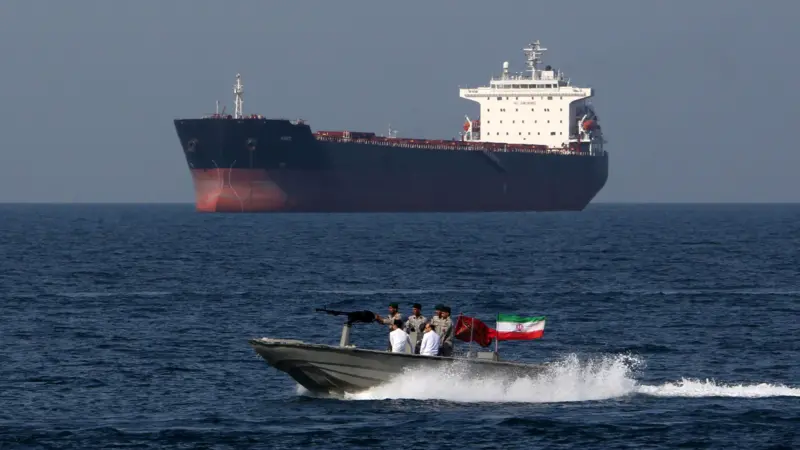
There are eight international waterways in the world that are of critical importance to international maritime trade. Their significance has grown in recent years due, on the one hand, to the lower cost of maritime transport compared to other modes of transportation, and, on the other hand, to the unprecedented interdependence of the world’s nations. […]
The Arabian Gulf Countries’ Economic Resilience

The current Israel-US-Iran war is testing the resilience of the Gulf Cooperation Council (GCC) economies, but this is far from being the first crisis the six countries have faced. Their successful navigation of previous wars and disasters rests on four reinforcing pillars: financial buffers, strong state capacity, flexible economic structures, and a favorable external security […]