Energy Security in Regional Conflicts

In previous articles, I referenced the impact of regional conflicts on energy security, including the threat to maritime corridors for energy transport, which has persisted throughout all the conflicts witnessed in the region, including the Iran-Iraq War in the 1980s, the Iraqi invasion of Kuwait in 1990, and the current events in Bab al-Mandab and […]
Farewell Dr. Alawi, pioneer of Strategic Sciences and Crisis Management

The discussion about the science of crisis management, its classification, as well as the concept of strategy and its various dimensions, and the realistic analysis of international relations, along with regional security, is closely linked to the intellectual legacy left to us by Professor Dr. Mustafa Alawi Saif, a professor of international relations at the […]
The Board of Trustees of Derasat reviews the achievements of the third quarter of the current year
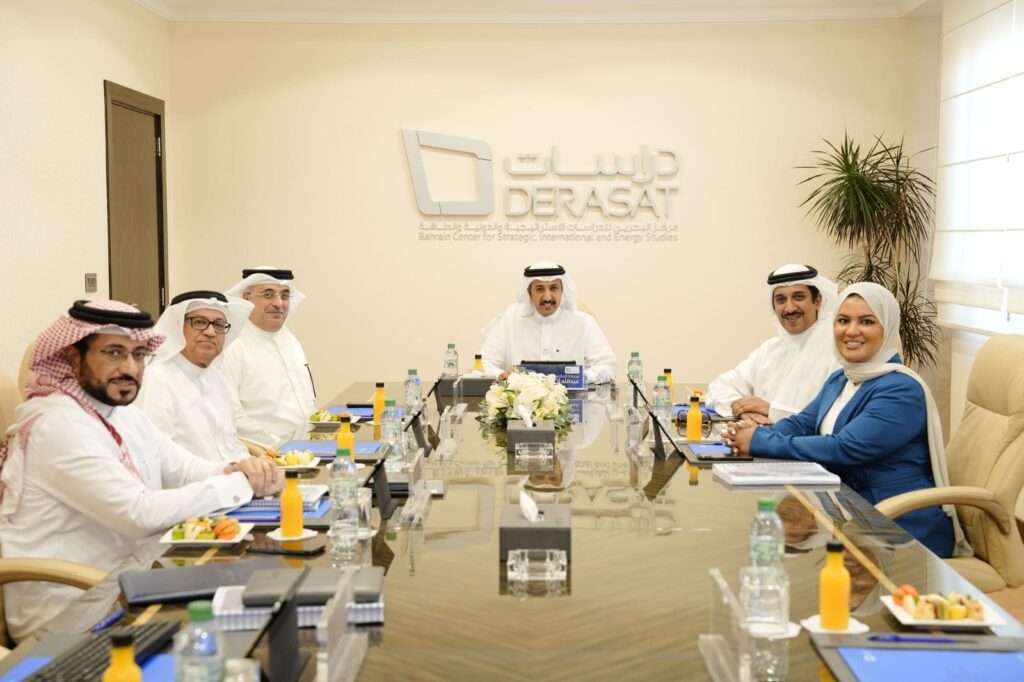
The Board of Trustees of the Bahrain Center for Strategic, International, and Energy Studies (Derasat) held its third meeting of the year today, chaired by Dr. Shaikh Abdullah bin Ahmed Al Khalifa, Chairman of the Board of Trustees. The meeting was attended by board members Dr. Mohammed Ibrahim Al Asiri, Dr. Khalifa bin Ali Al […]
The Impact of Militias and Non-State Groups on Regional Security
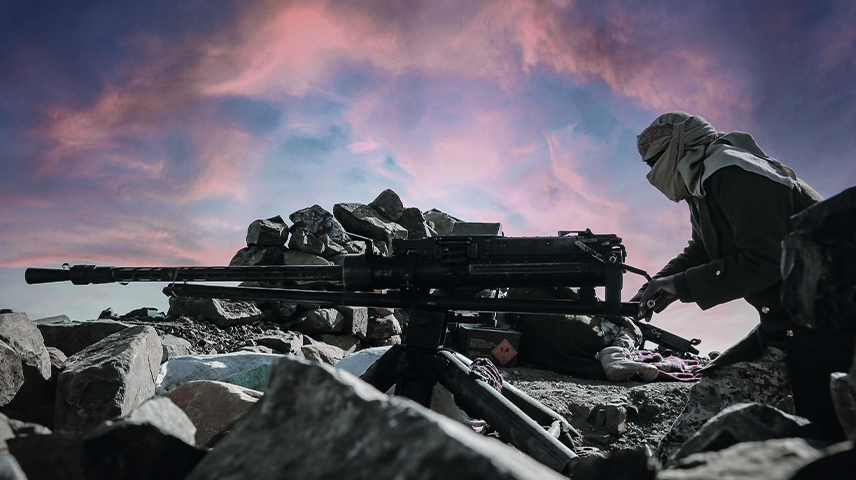
Since nearly a quarter of a century, specifically before the events of September 11, 2001, in the United States, there has not been significant academic interest in non-state groups. This is not only due to their lack of major impact on regional or global security, but also because of the differing classifications of these groups. […]
A new charter for artificial intelligence in the United Arab Emirates
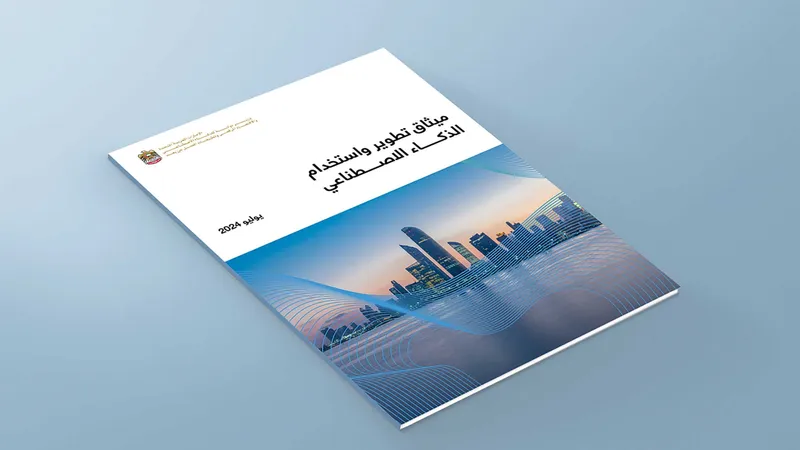
In July 2024, the Government of the United Arab Emirates issued the ‘Charter for the Development and Use of Artificial Intelligence,’ spanning four pages. The preamble of the charter outlines it as a guiding framework for ethical oversight and establishing the UAE as a leading nation in this field by 2031. The significance of this […]
New Rules for Regional Conflicts

The pace of developments in the Middle East is accelerating in an unprecedented way. Although these developments vary from one crisis to another, they ultimately lead to the same result: not only are we witnessing an intensification and intertwining of conflicts, but they have also imposed new and unfamiliar rules of engagement, in terms of […]
The Strategic Implications of Establishing a NATO Liaison Office in Jordan
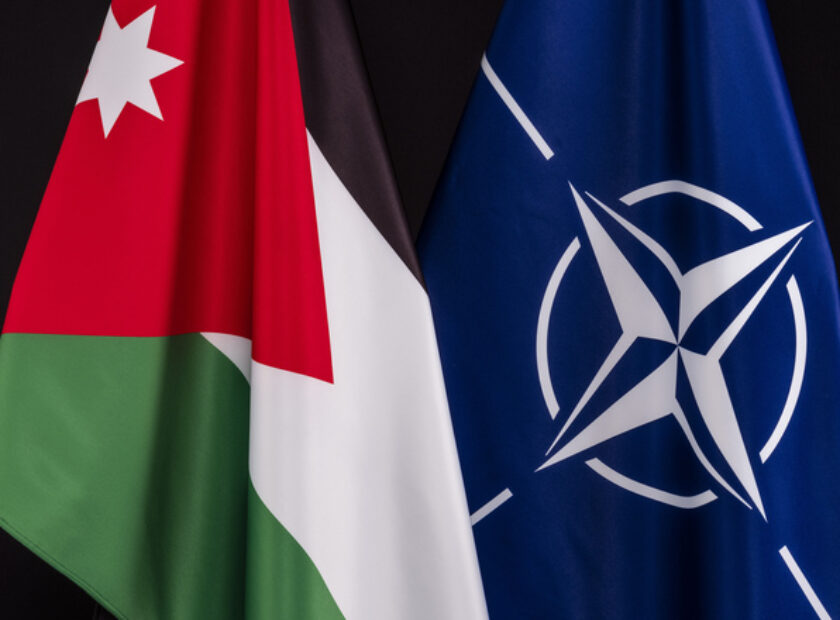
On July 11, 2024, the Jordanian Ministry of Foreign Affairs and Expatriates announced the establishment of a NATO liaison office in Jordan. This decision was one of the outcomes of the NATO summit in Washington held from July 9-11 this year. Although the summit produced significant results, from a research perspective, we always look at […]
Derasat Center issues a report on the role of industrial and academic cooperation in advancing energy transition
The Bahrain Center for Strategic, International and Energy Studies (Derasat) has issued a report titled, “Industry – Academic Collaboration: Towards Advancing Energy Transition”. The report examines the role of collaboration between the industrial and academic sectors in advancing the energy transition in the Kingdom of Bahrain. It was prepared by Dr. Abdulla Isa Al-Abbasi, Director […]
Industry-Academia Collaboration Towards Advancing the Energy Transition Report

The Industry-Academia Collaboration Towards Advancing the Energy Transition report provides an overview of a roundtable discussion held by the Bahrain Center for Strategic, International and Energy Studies (Derasat) on May 2nd, 2024, to explore the collaborative potential between industry and academia in advancing the energy transition. The discussion, which connected key stakeholders, researchers, academics, and […]
2024 Gulf Research Center Forum at the University of Cambridge
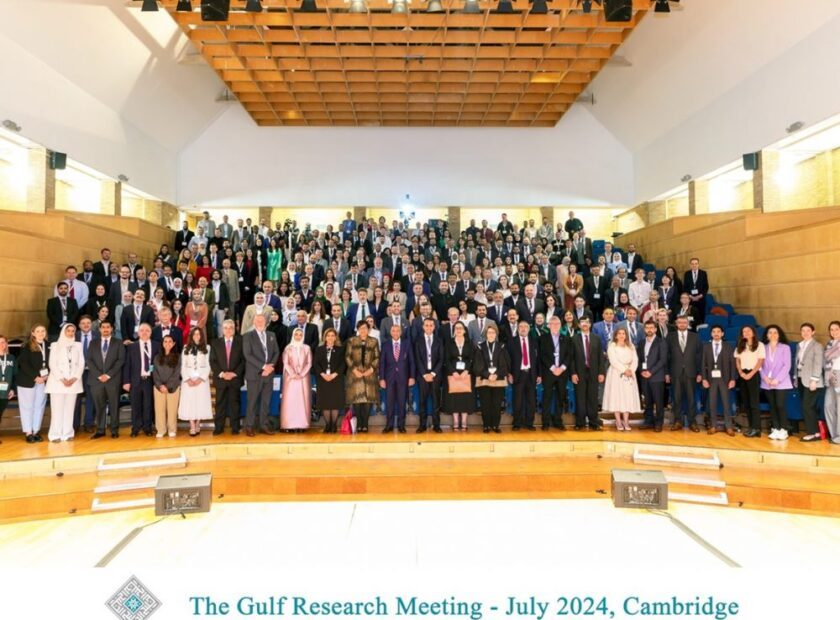
From July 9-11, 2024, I participated in the 14th annual forum organized by the Gulf Research Center at the University of Cambridge in the UK. This year’s forum included approximately 400 participants from various countries at both regional and global levels, featuring 13 workshops addressing significant Gulf issues such as the future of military manufacturing, […]