Artificial Intelligence Risk Governance
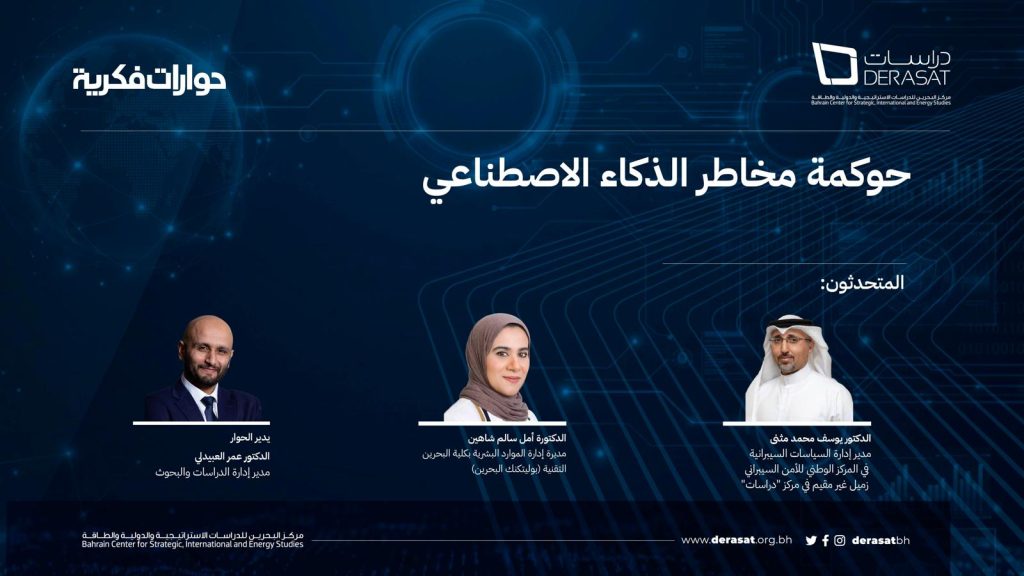
Le Bahreïn Center for Strategic, International and Energy Studies « Studies » organisera un dialogue intellectuel intitulé « Gouvernance des risques de l’intelligence artificielle », au siège du Centre à Awali, le mercredi 30 septembre 2026, de 10h à 11h30.
Derasat and UNDP showcase Bahrain’s Digital Transformation and Human Development Journey in New York
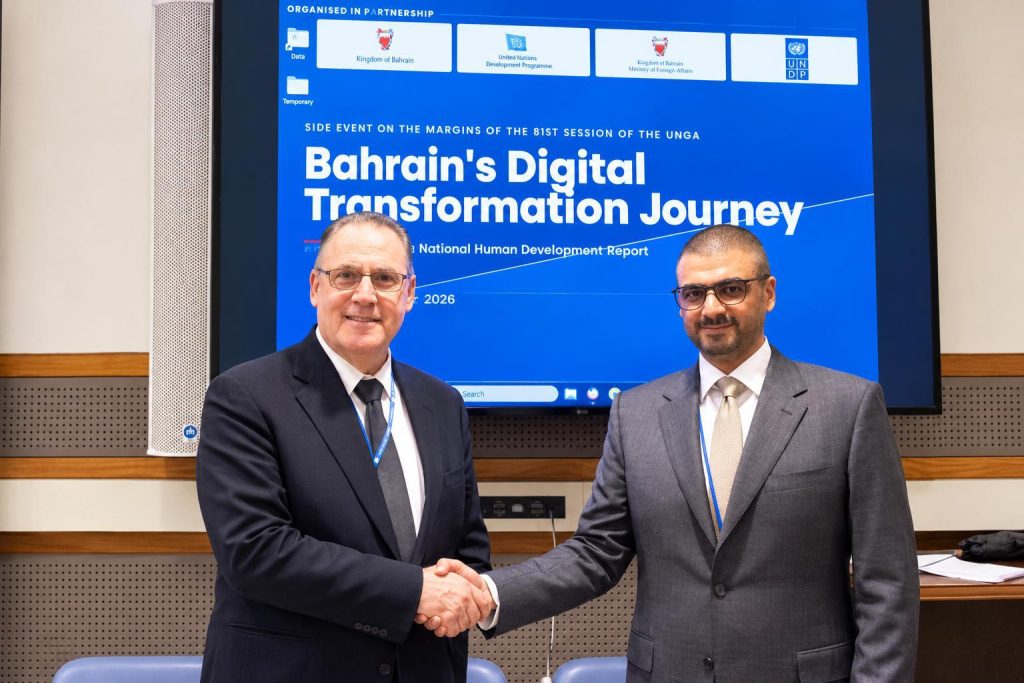
The Bahrain Center for Strategic, International and Energy Studies (Derasat), in cooperation with the United Nations Development Programme (UNDP) in the Kingdom of Bahrain, organized a high-level, interactive dialogue titled “Digital Transformation Journey in the Kingdom of Bahrain: The National Human Development Report.” The event took place at the United Nations Headquarters in New York […]
Derasat and UNDP showcase Bahrain’s Digital Transformation and Human Development Journey in New York
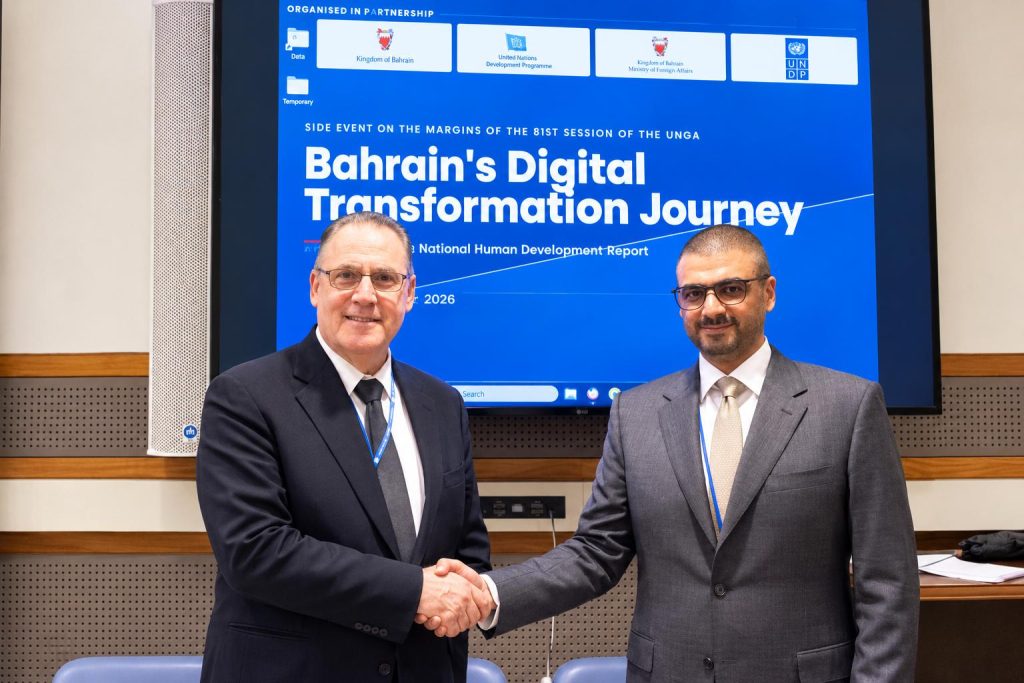
The Bahrain Center for Strategic, International and Energy Studies (Derasat), in cooperation with the United Nations Development Programme (UNDP) in the Kingdom of Bahrain, organized a high-level, interactive dialogue titled “Digital Transformation Journey in the Kingdom of Bahrain: The National Human Development Report.” The event took place at the United Nations Headquarters in New York […]
Derasat Concludes Second Round of GCC-US Think Tanks Strategic Dialogue, Focusing on Arabian Gulf Security, Energy Resilience, and Economic Integration
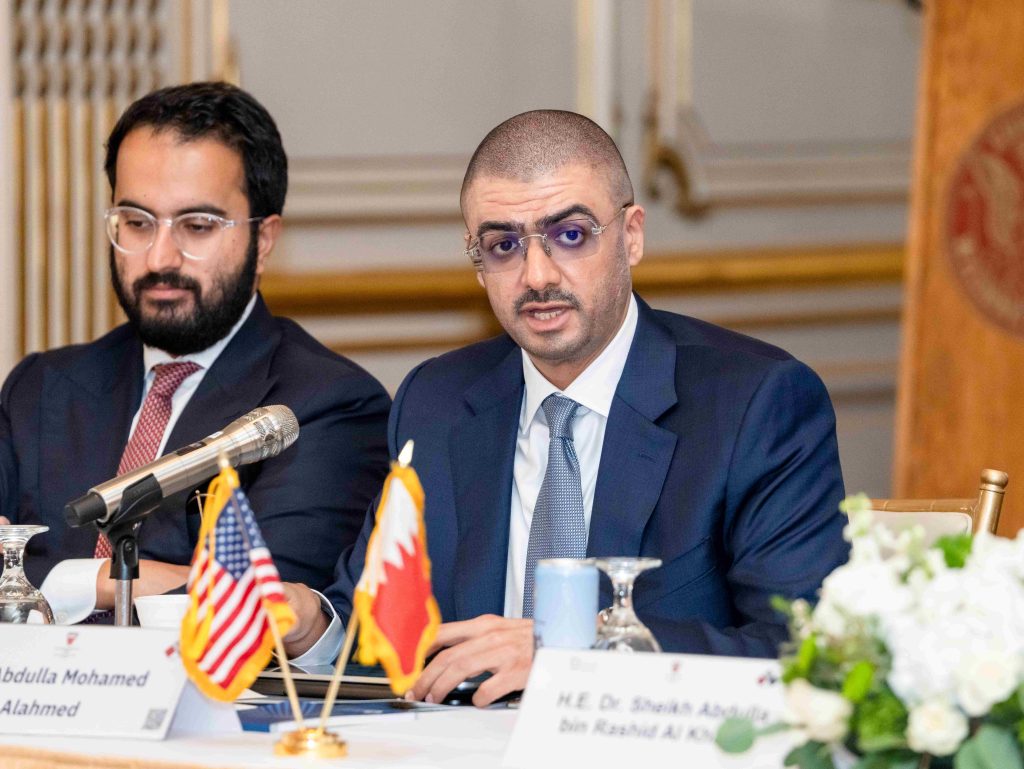
The Bahrain Center for Strategic, International and Energy Studies (Derasat) concluded the second round of the GCC-US Think Tanks Strategic Dialogue, organized in cooperation with the American Foreign Policy Council (AFPC), in coordination with the General Secretariat of the Gulf Cooperation Council (GCC), sponsored by the Embassy of the Kingdom of Bahrain in Washington DC, […]
His Royal Highness Prince Faisal bin Salman bin Abdulaziz Al Saud
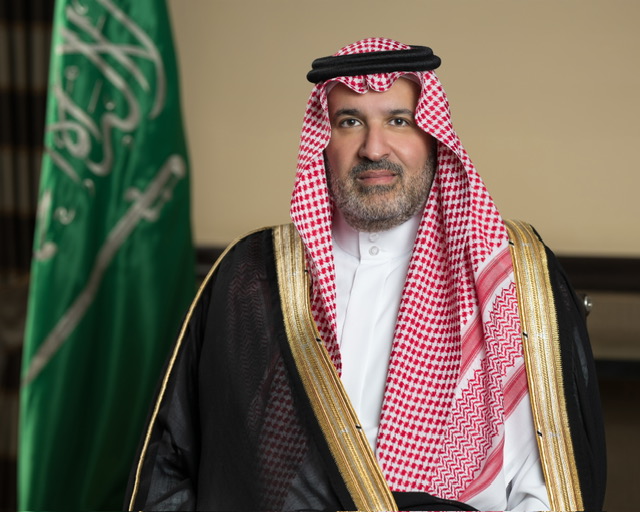
Advisor to the Custodian of the Two Holy Mosques, Chairman of the Board of Trustees of the King Fahd National Library
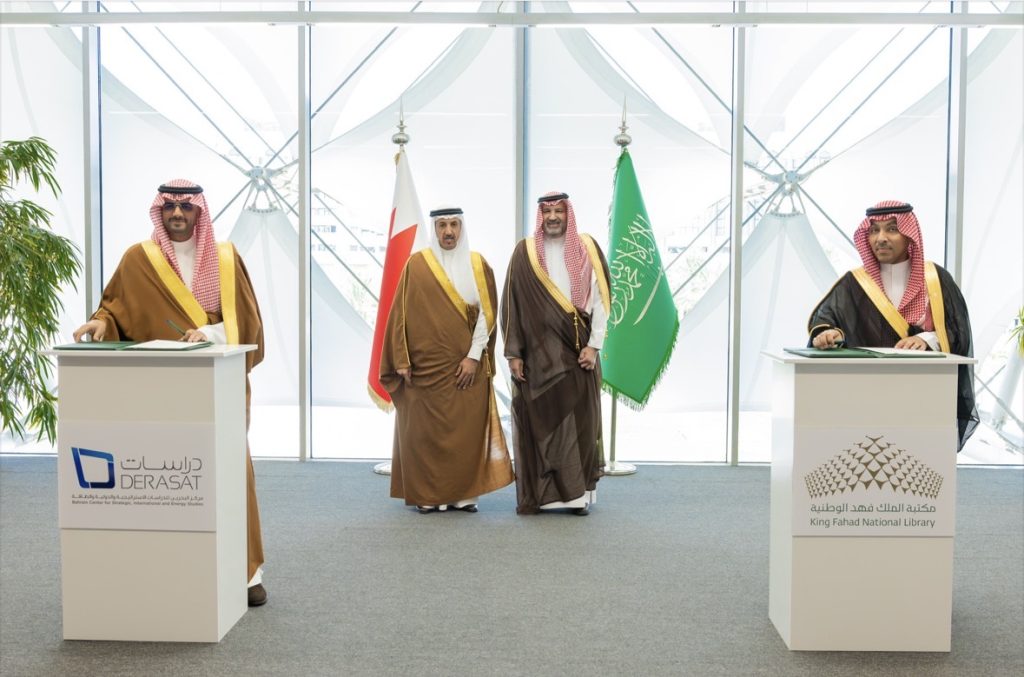
Special Adviser to the Custodian of the Two Holy Mosques and King Fahd National Library Chairman Meets “Derasat” Chairman; Both Witness MoU Signing to Boost Scientific and Knowledge Cooperation
Media Coverage
Derasat Participates in the 12th Discussion Session on the Future Prospects of Joint GCC Economic and Development Integration
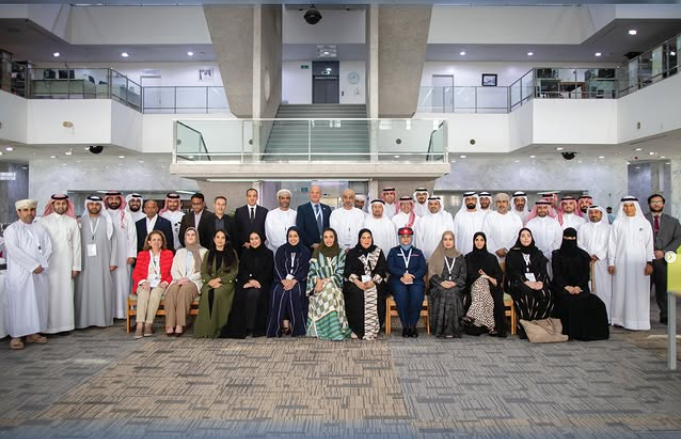
The Bahrain Center for Strategic, International and Energy Studies (Derasat) participated in the 12th Discussion Session of the Program for Foresight of the Future Prospects of Joint GCC Economic and Development Integration, at the University of Bahrain, and hosted by the Office of the Economic and Development Affairs Authority at the General Secretariat of the […]
Nasser bin Hamad Food Classification Initiative: A National Commitment to Enhancing Public Health

In a significant initiative to support public health in the Kingdom of Bahrain, His Highness Shaikh Nasser bin Hamad Al Khalifa, Representative of His Majesty the King for Humanitarian Work and Youth Affairs, has directed that a study be conducted on implementing a unified system for calorie disclosure for food served in restaurants. This move […]
The Iranian Regime and the Cost of the Nuclear Option

Iran’s energy sector entered the recent war facing a host of accumulated structural challenges. Despite possessing the world’s second-largest natural gas reserves and third-largest oil reserves, its electricity supply deficit, according to official Iranian estimates, reached nearly a third of national consumption. These figures reflect a stark paradox between the size of Iran’s energy resources […]
The Shanghai Cooperation Organisation’s annual summit: Political dialogue and economic cooperation without a security bloc

From August 31 to September 1, 2026, the Shanghai Cooperation Organisation (SCO) held its annual summit in Bishkek, the capital of Kyrgyzstan. While the summit is held annually in the country holding the SCO chairmanship according to a rotating system, this year’s summit took place amidst highly significant regional and global developments, both in terms […]