Beyond Disposable Knowledge: Rethinking Research for Bahrain’s Industry
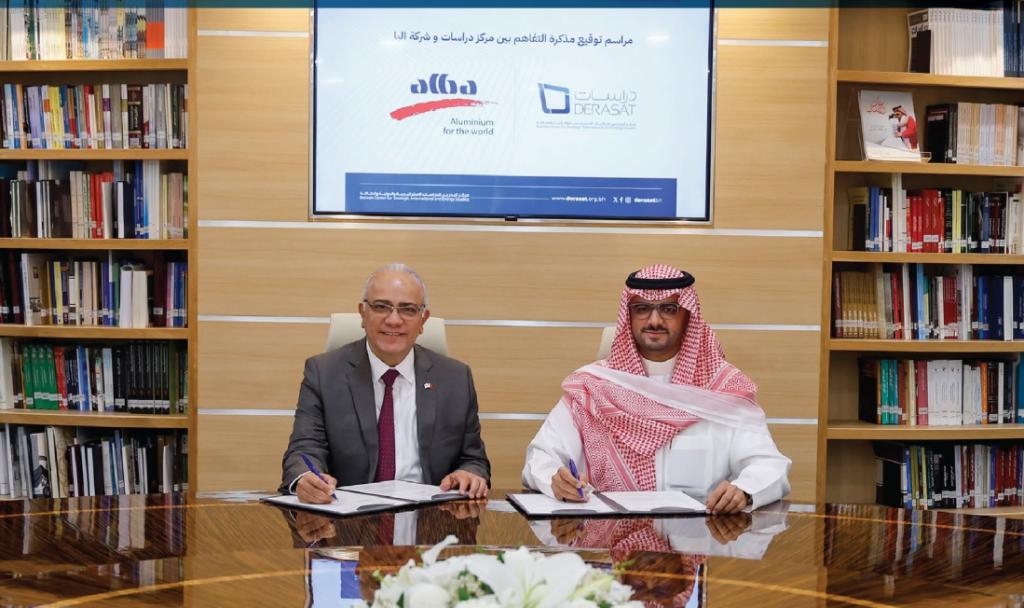
The value of research is increasingly questioned in the age of AI, as generative and agentic models facilitate the rapid production of disposable knowledge. Yet the ease with which information can now be generated should not be confused with the creation of meaningful, context-aware insight capable of solving complex problems. In an era of informational […]
Twenty-five Years of Institutionalizing the Work on Behalf of Bahraini Women

Today, the Supreme Council for Women stands on the threshold of an exceptional historical milestone as it celebrates the silver jubilee of its founding. A quarter-century since the launch of this national institution is not merely an occasion to recall gains or celebrate achievements; rather, it is an opportunity to assess a national experience that […]
Coexistence and Tolerance are Two Well-Established Pillars of Bahraini Foreign Policy
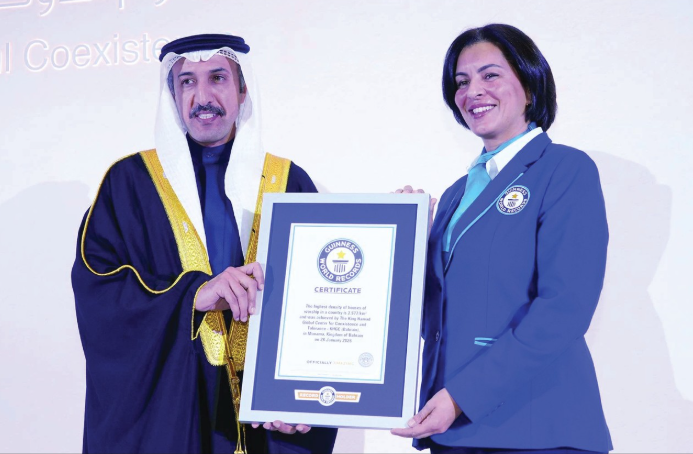
On August 18, 2026, His Excellency Dr. Sheikh Abdullah bin Ahmed Al Khalifa, Minister of Transportation and Telecommunications, Chairman of the Board of Trustees of the King Hamad Global Center for Coexistence and Tolerance, and Chairman of the Board of Trustees of the Bahrain Center for Strategic, International, and Energy Studies (Dirasat), the launch of […]
Derasat CEO Meets Deputy CEO for Cyber Operations at National Cybersecurity Center
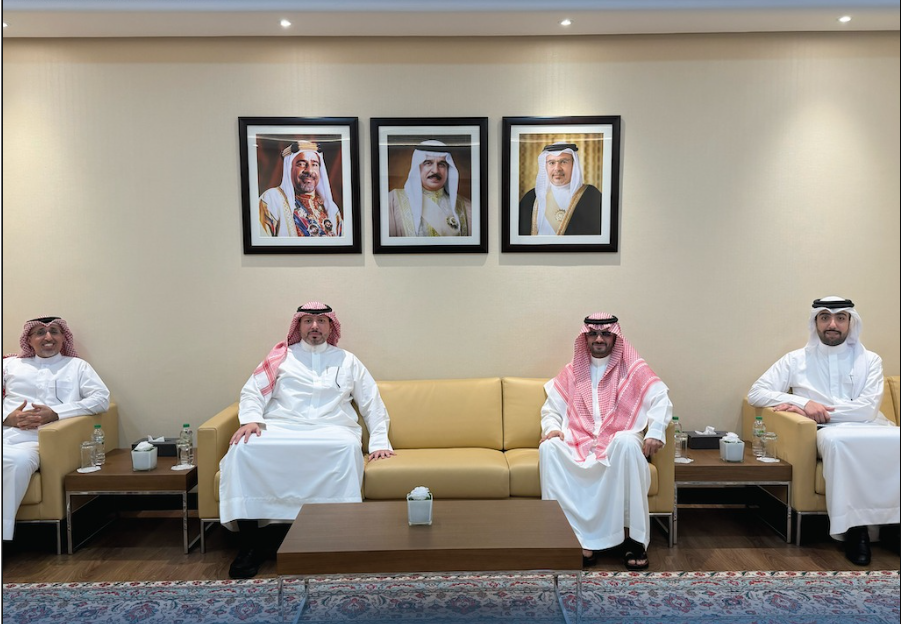
Mr. Abdulla Mohamed Alahmed, CEO of the Bahrain Center for Strategic, International and Energy Studies (Derasat), received H.E. Sheikh Abdullah bin Mohammed bin Abdulwahab Al Khalifa, Deputy CEO for Cyber Operations at the National Cybersecurity Center, to discuss strengthening institutional cooperation and exchanging expertise in areas of mutual interest, particularly cybersecurity and strategic studies and […]
In Bahrain, Scientists Are Mapping the Gulf’s Hidden Shark Populations
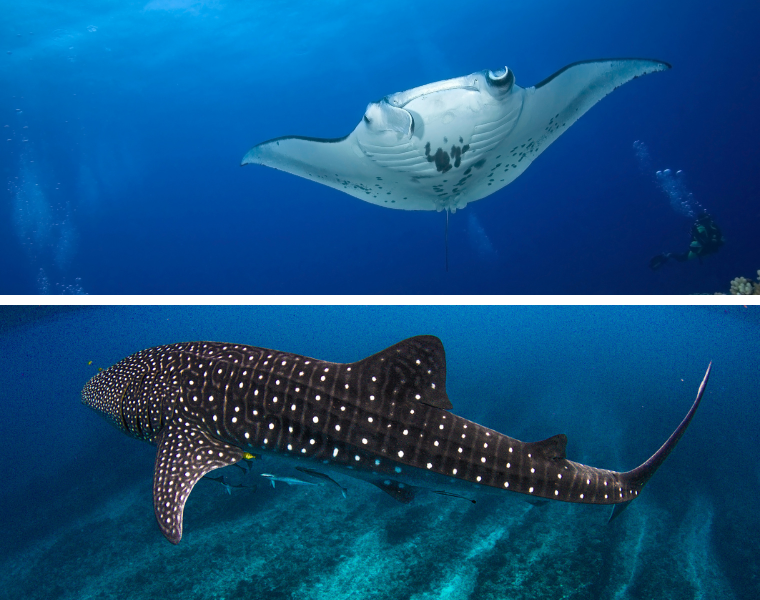
Along the coast of the Kingdom of Bahrain, the sea can appear deceptively calm. Beneath the surface, however, lies one of the most environmentally extreme marine ecosystems on Earth: a shallow Gulf where summer water temperatures can exceed 36°C, salinity levels regularly rise above global ocean averages, and decades of fishing and anthropogenic interventions have […]
Eighth Episode of the “Sound of Thought” Podcast
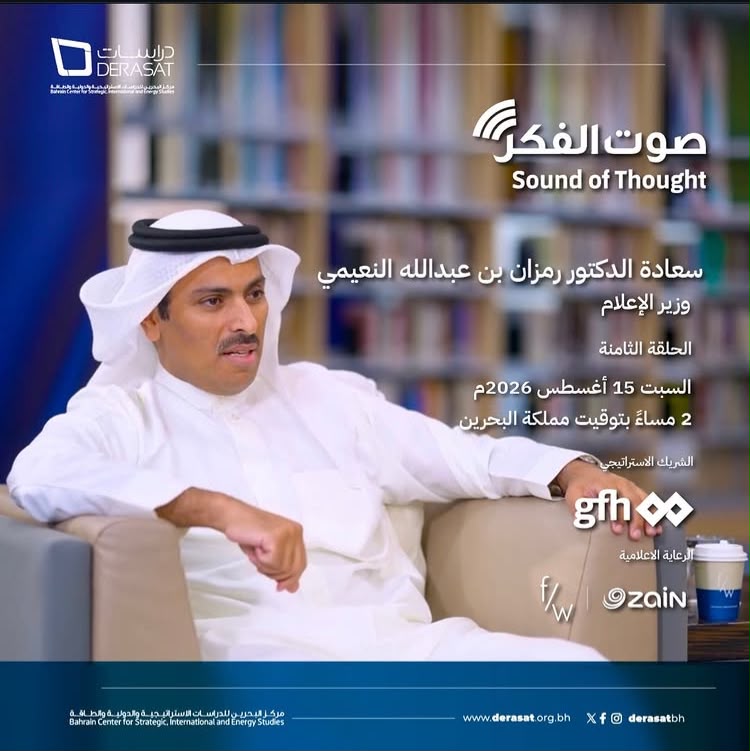
In the eighth episode of the “Voice of Thought” series from “Studies,” we host His Excellency Dr. Ramzan bin Abdullah Al-Naimi, Minister of Media, in an intellectual dialogue addressing issues of the Arab mind, identity, the nation-state, and questions of reform, coexistence, and citizenship in light of the rapid transformations the region is undergoing.The discussion […]
What GCC universities should learn from the Jason Arday controversy
University of Cambridge professor Jason Arday’s resignation following allegations of plagiarism and scrutiny of his research practices, credentials, and biographical claims has poured fuel on the culture-war fire in the Anglo-American society. There is much to learn for GCC universities from this regrettable episode, most notably the importance of ensuring that social objectives never displace […]
Economists’ AI Petition Probes the Limits of Government

A new petition launched by economists regarding artificial intelligence’s transformative effect on the economy has secured the support of a glittering list of the profession’s heavyweights. The core demand is that policymakers must immediately intervene to protect society from the potential ill effects of AI. Its apparent popularity does not, however, render it a consensus […]
His Majesty the King’s Visit to Egypt: A Strong Partnership in the Face of Regional Developments
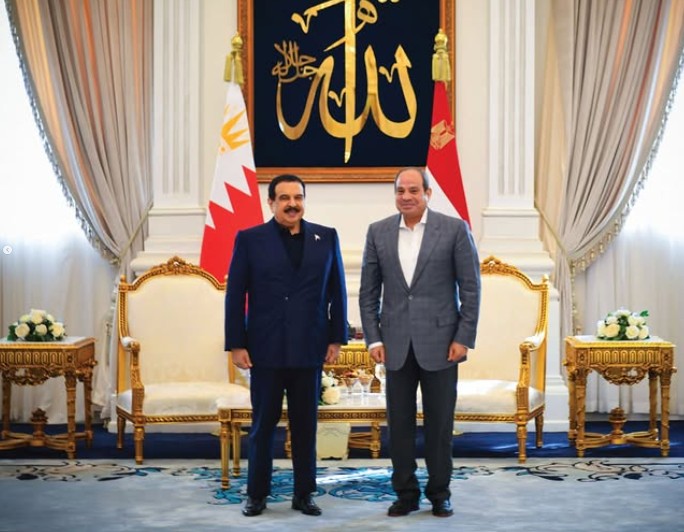
His Majesty King Hamad bin Isa Al Khalifa, may God protect him, arrived in his second home, the sisterly Arab Republic of Egypt, on August 5, 2026, for a visit during which he met with his brother, His Excellency President Abdel Fattah El-Sisi. The meeting addressed the close fraternal relations between the two brotherly countries […]
When Saudi Arabia Speaks
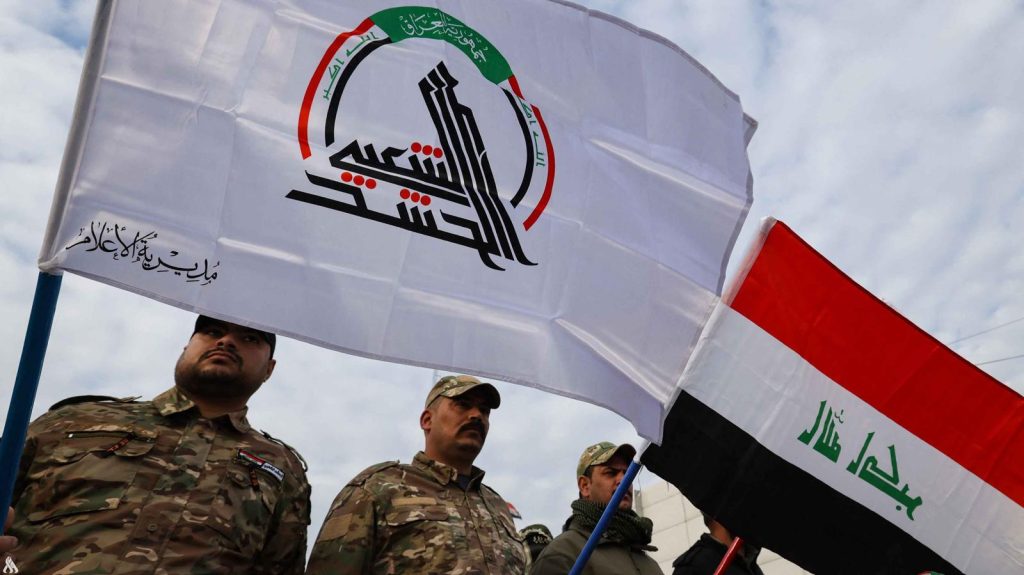
On March 31, 2015, former Saudi Foreign Minister His Royal Highness Prince Saud Al-Faisal, may God have mercy on him, told the Saudi Shura Council: “We are not advocates of war, but if the drums of war sound, we are ready for it.” Those words were not merely a response to the political circumstances of […]