French President Macron’s Visit to the Kingdom of Bahrain: Strengthening the Strategic Partnership
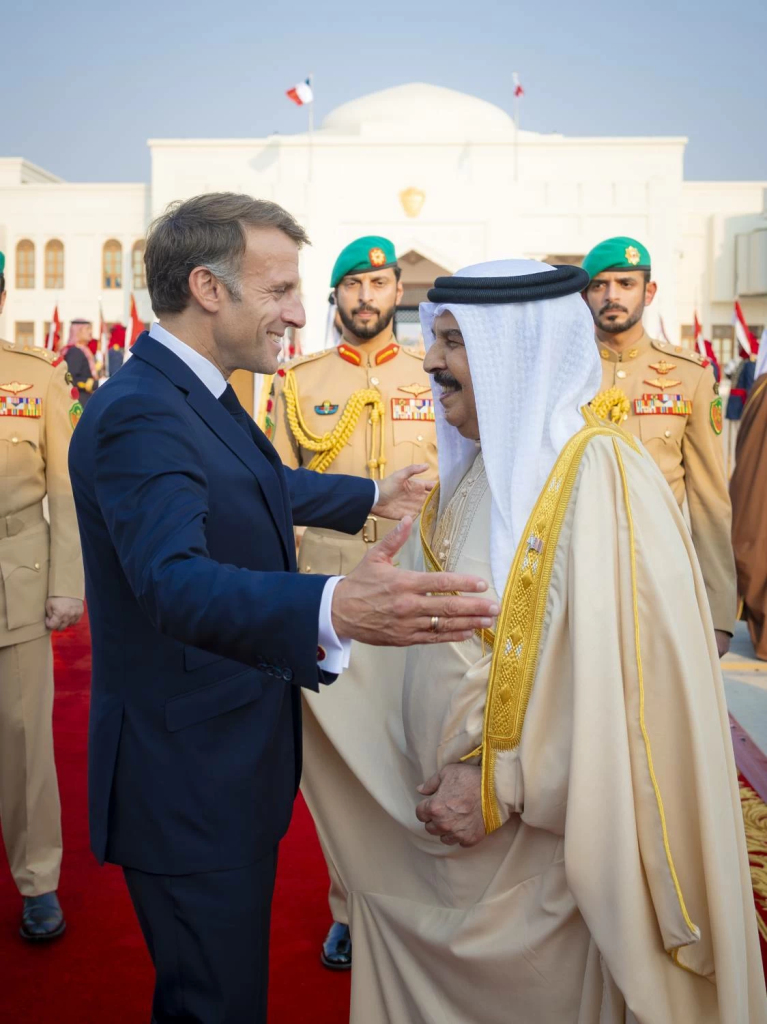
“We highly value France’s positions of solidarity with our country, as well as its role in protecting maritime corridors and supporting regional stability.” This statement was made by His Majesty King Hamad bin Isa Al Khalifa—may God protect and preserve him—during his reception of French President Emmanuel Macron. The President visited the Kingdom of Bahrain […]
Future Investment Initiative, a key accelerator of regional prosperity
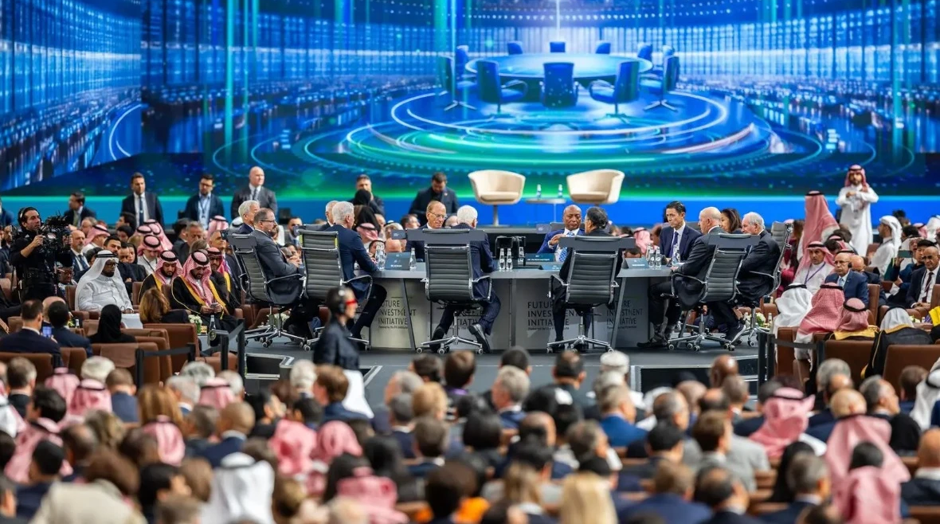
The pace of development throughout modern history has accelerated through four industrial revolutions since the mid-18th century, during which global economies have witnessed tremendous economic and social transformation. There is no doubt that the fifth industrial revolution, or Industry 5.0, is expected to transform how humans and machines collaborate in shared ecosystems, as AI, quantum […]
How the 2026 Economics Nobel helps us understand the GCC economies

The 2026 Nobel Prize in Economics was awarded to the American duo Robert Hall (Stanford University) and Michael Woodford (Columbia University) for their work on the “microeconomic foundations of macroeconomic stabilization.” The insights provided by their work help us understand the potential future trajectory of the Gulf Cooperation Council (GCC) countries’ economies as they strive […]
Derasat Center Publishes a Study on India’s Maritime Security Strategy and Prospects for GCC Cooperation
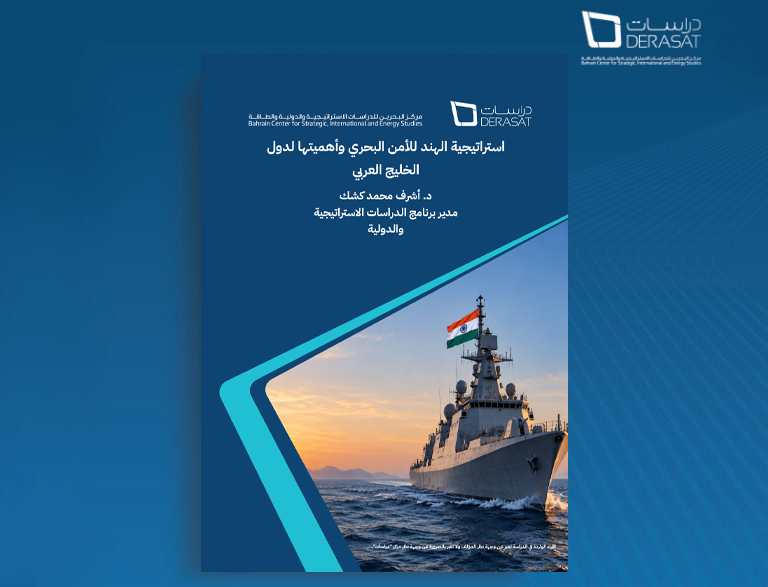
The Bahrain Center for Strategic, International and Energy Studies (Derasat) has published a study titled “India’s Maritime Security Strategy and Its Significance for the Arabian Gulf States,” authored by Dr. Ashraf Mohammed Keshk, Director of the Strategic and International Studies Program. The publication forms part of the Center’s research on regional security issues and the […]
“Made in the Gulf”: Mapping Future Scenarios for Gulf Industrial Integration
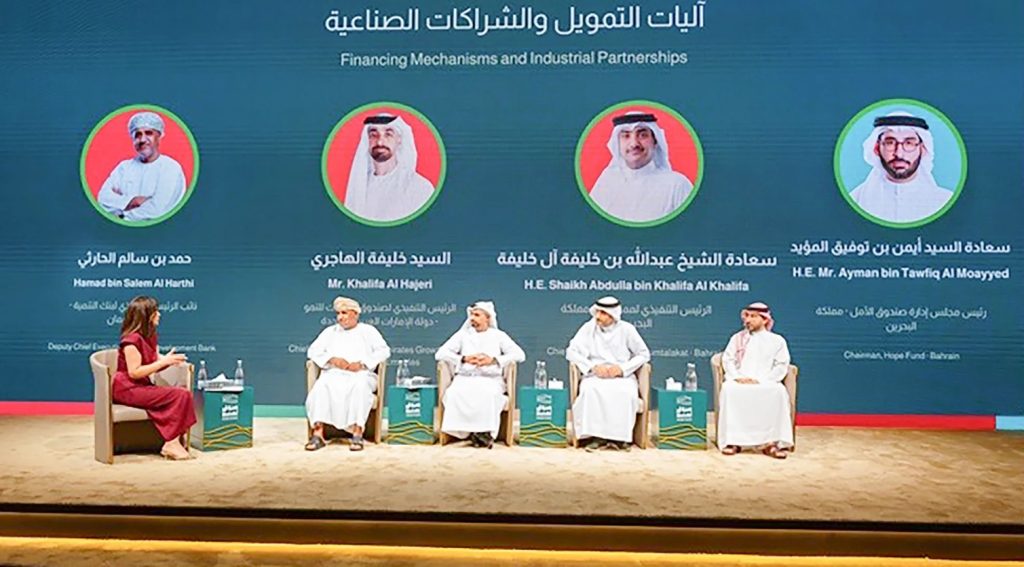
In a significant initiative reflecting the growing focus on enhancing industrial and economic integration among Gulf states, the “Made in the Gulf” forum and exhibition was held from October 6 to 8, 2026. Organized by the Cooperation Council for the Arab States of the Gulf (GCC) and the Ministry of Industry and Commerce, the event […]
Strategic Implications of Activating the “Mecca Joint Defense Agreement”: Collective Response to Attacks on the Kingdom of Saudi Arabia
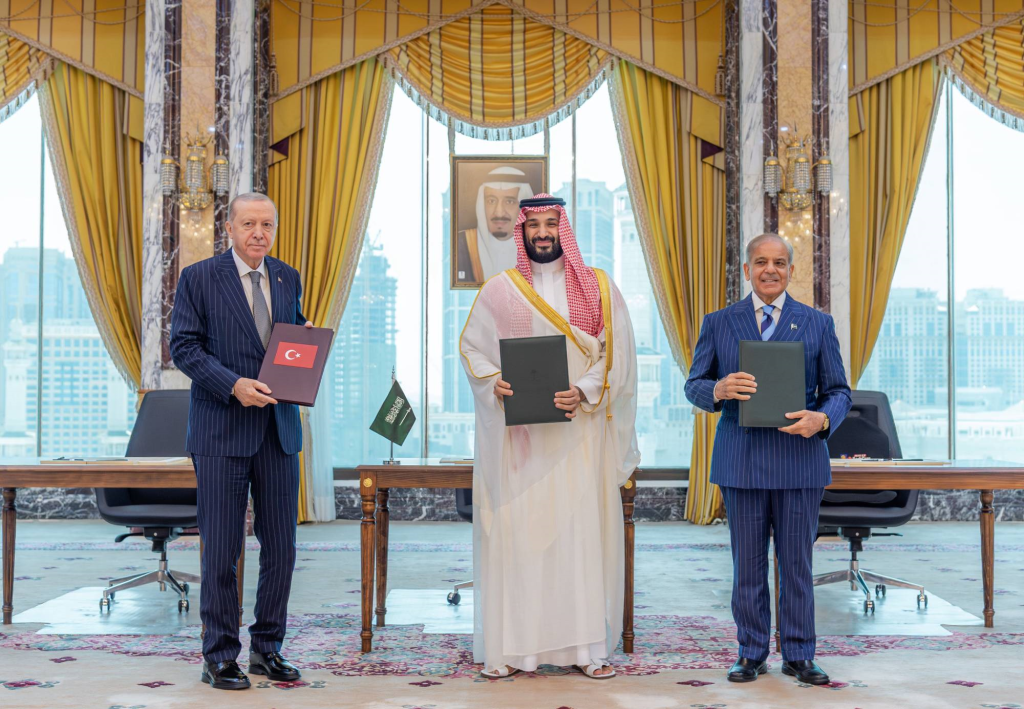
“An immediate transition to the phase of institutional activation and practical implementation of joint defense obligations, alongside taking the necessary measures to provide the agreed-upon military forces and capabilities and rapidly deploy them to Saudi Arabia”—this was the outcome of the meeting of the “Political and Defense Strategy Committee” for the Makkah Joint Defense Agreement, […]
How does Gulf integration contribute to shaping the global investment landscape?
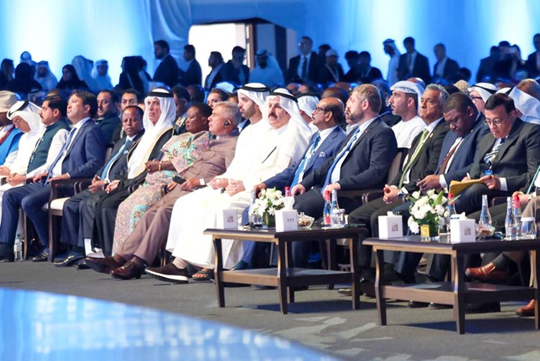
The economic development trajectory of the Gulf Cooperation Council (GCC) serves as a structural driver for enhancing regional stability and reshaping the map of global investment flows. Since the Council’s establishment in 1981, the journey of joint Gulf action has contributed to building a growing economic base; this has evolved beyond mere integration among member […]
Requirements for Restoring Regional Security Amid the Proliferation of Armed Groups
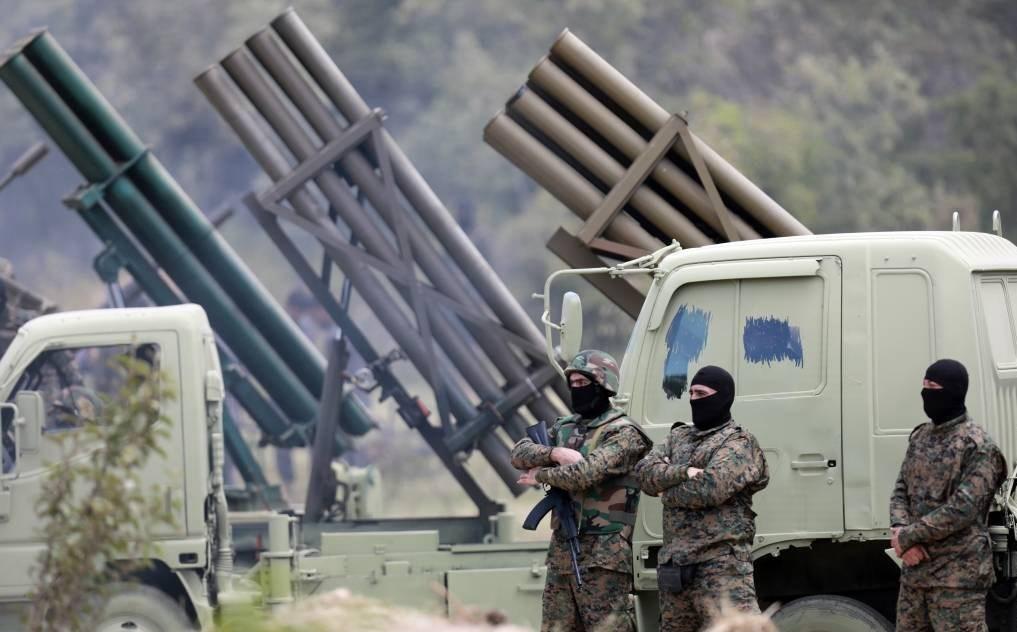
Understanding the nature of non-state actors in the Middle East poses a significant challenge to efforts aimed at rebuilding the regional security architecture and restoring the stability of nation-states. Amidst the intertwining of internal crises with regional and international tensions, the phenomenon of armed groups has given rise to complex issues affecting state sovereignty, the […]
Derasat Holds Think Talk on AI Risk Governance
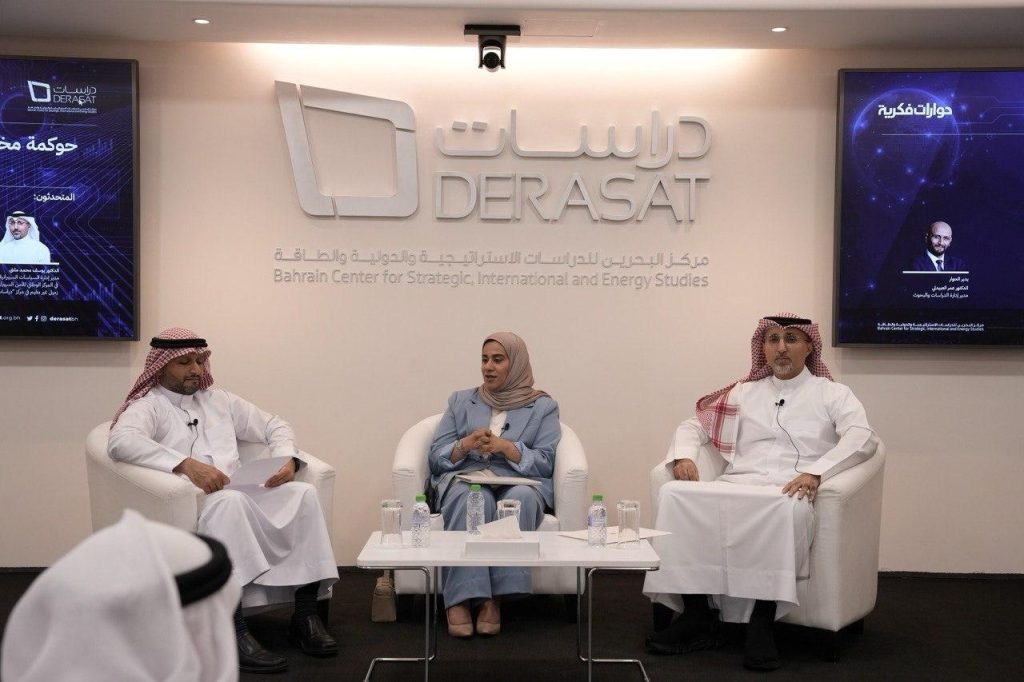
Bahrain Center for Strategic, International and Energy Studies (Derasat) organized a Think Talk titled “AI Risk Governance.” The event featured Dr. Amal Salem Shaheen, Director of Human Resources at Bahrain Polytechnic, and Dr. Yousif Mohamed Mothanna is the Director of Cyber Governance at the National Cybersecurity Center, Non-Resident Fellow at Derasat Center. The discussion was […]
Derasat Holds Think Talk on AI Risk Governance
Bahrain Center for Strategic, International and Energy Studies (Derasat) organized a Think Talk titled “AI Risk Governance.” The event featured Dr. Amal Salem Shaheen, Director of Human Resources at Bahrain Polytechnic, and Dr. Yousif Mohamed Mothanna is the Director of Cyber Governance at the National Cybersecurity Center, Non-Resident Fellow at Derasat Center. The discussion was […]