Derasat CEO receives Ambassador of the Republic of Korea to the Kingdom of Bahrain
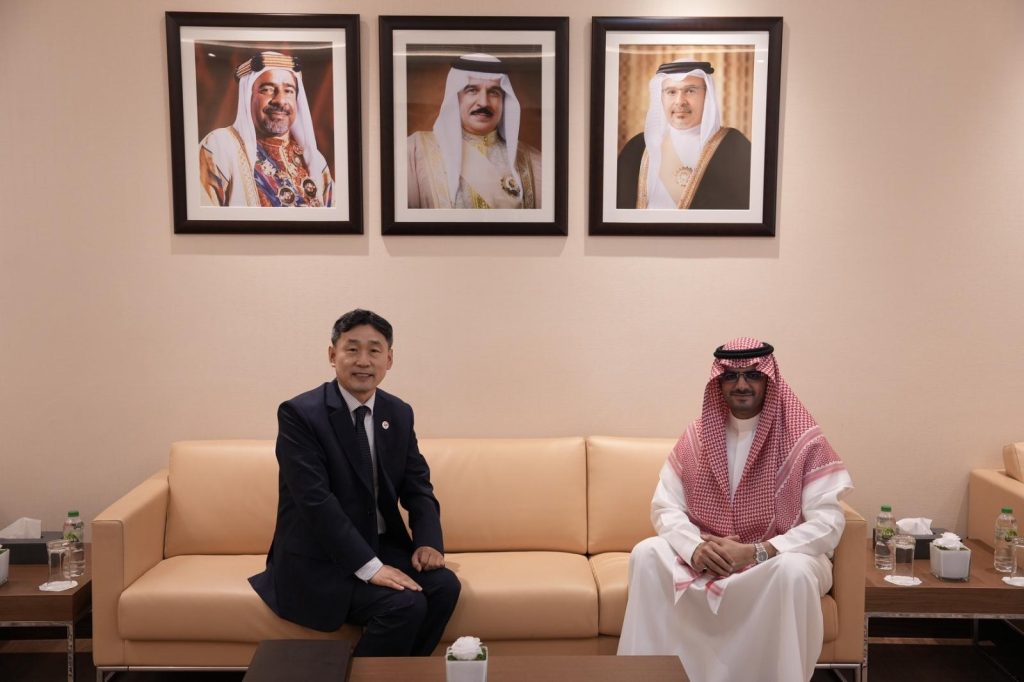
Mr. Abdulla Mohamed Alahmed, CEO of the Bahrain Center for Strategic, International and Energy Studies (Derasat), welcomed His Excellency Choi Byoung-sun, Ambassador of the Republic of Korea to the Kingdom of Bahrain, during a meeting held at the Center’s headquarters. The meeting reviewed prospects for research cooperation between the two sides, and highlighted the Center’s […]
The Strategic Implications of the Saudi Initiative to Establish the Maritime Defense Alliance for Navigation Security
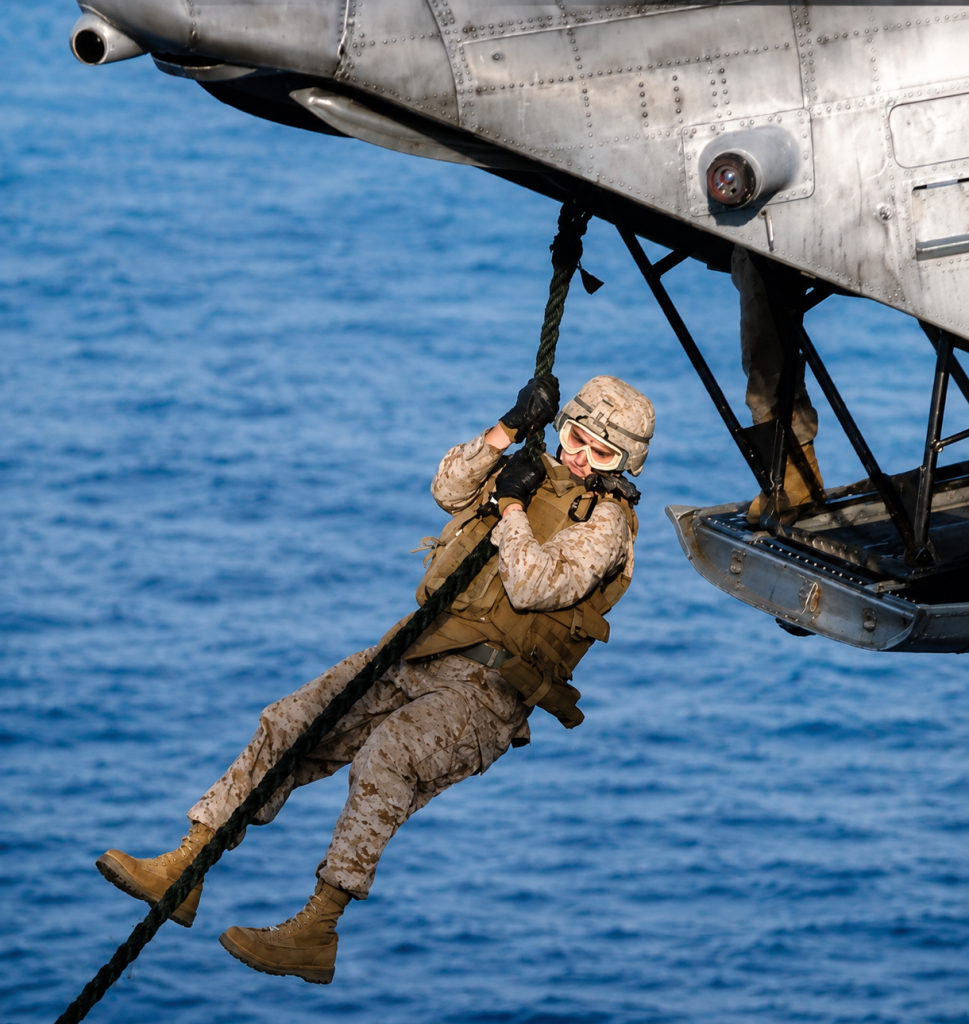
On July 30, 2026, the Kingdom of Saudi Arabia hosted an international meeting of chiefs of staff and their representatives from 43 countries, as well as the European Union delegation to the Kingdom, to discuss the Saudi initiative aimed at establishing a multinational maritime defense coalition; with the goal of strengthening and protecting the security […]
Bahrain Shield and the Future of Gulf Military Integration
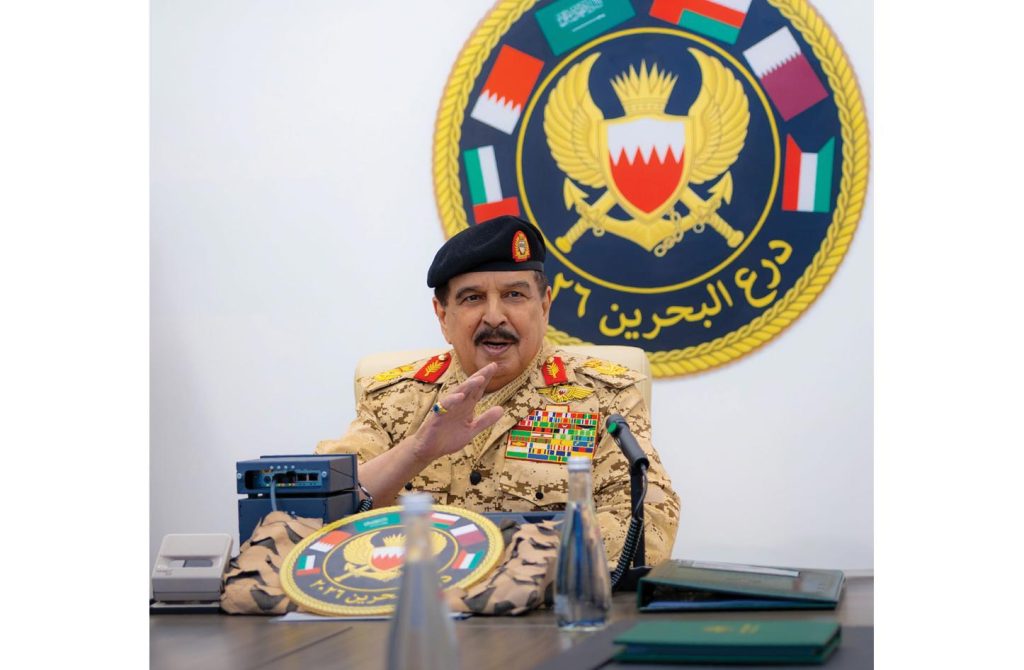
The Bahrain Shield joint military exercise, hosted by the Bahrain Defense Force from 28 to 30 July 2026, represents more than a routine military drill. Bringing together armed forces from across the Gulf Cooperation Council (GCC) countries, the exercise reflects the bloc’s continued commitment to strengthening collective defense, improving operational readiness, and advancing military integration […]
Seventh Episode of the “Sound of Thought” Podcast
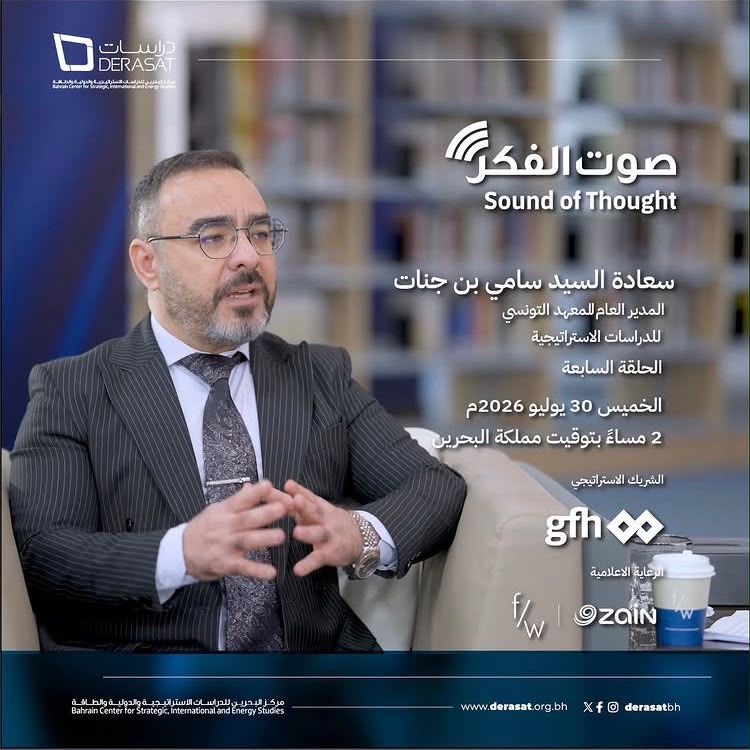
In the seventh episode of the “Sound of Thought” podcast series from “DERASAT,” we host His Excellency Mr. Sami Ben Jannet, Director General of the Tunisian Institute for Strategic Studies, in a discussion addressing the role of think tanks in anticipating rapid transformations, supporting public policy, and contributing to decision-making.The discussion also explores prospects for […]
The Strategic Dimensions of the King’s Address During the Ceremony for the Presentation of Credentials by New Ambassadors: Institutional Flexibility and the Foundations of Sovereign Stability
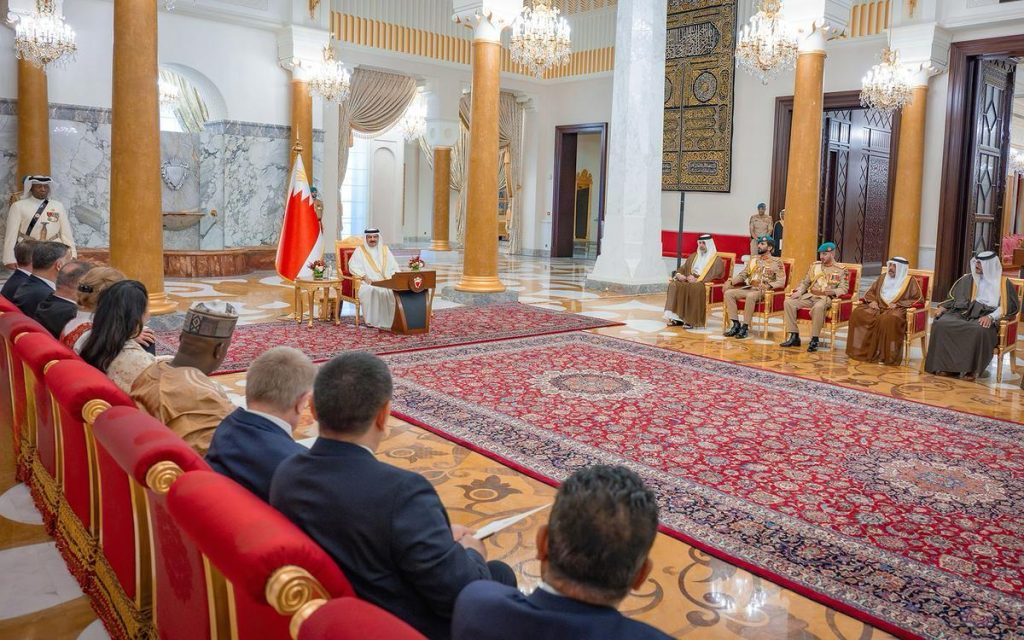
Royal diplomatic ceremonies go beyond mere formalities of protocol; they are strategic occasions through which states express their policy priorities, reaffirm their diplomatic commitment, and demonstrate their institutional flexibility in the context of evolving geopolitical circumstances. The ceremonies during which His Majesty King Hamad bin Isa Al Khalifa, King of the Kingdom—may God protect and […]
King Hamad Affirms Bahrain’s Resilience
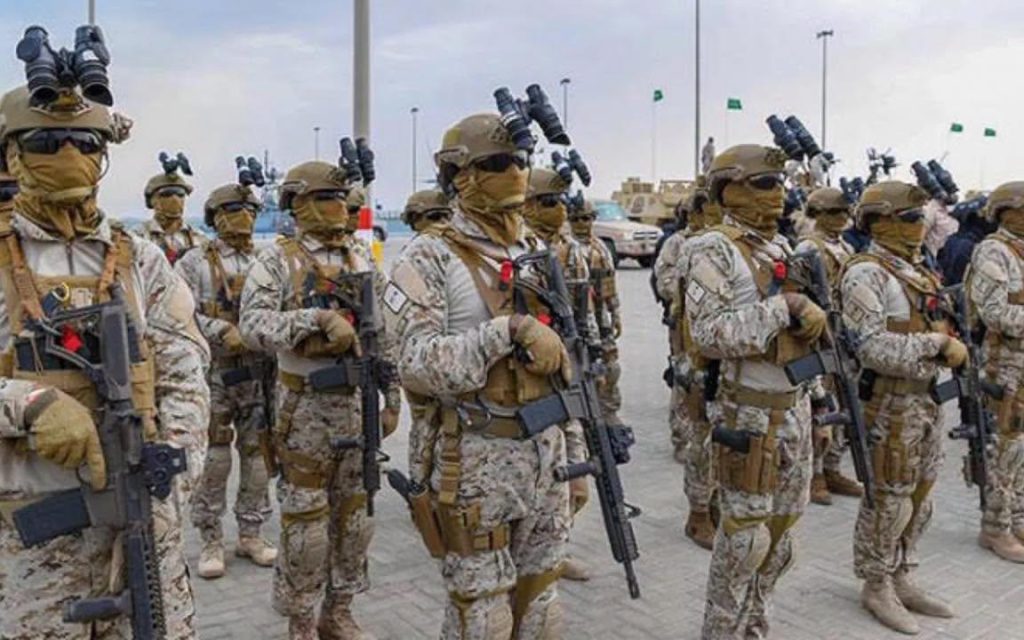
On 28 July 2026, His Majesty King Hamad bin Isa Al Khalifa received the credentials of nine newly appointed ambassadors, and took the opportunity to reflect upon the Kingdom of Bahrain’s resilience during the current conflict in the Middle East. His Majesty’s words constituted an important message of reassurance to Bahrain’s residents, its friends, and […]
How the Strait of Malacca Works: Could the Same Model Be Applied to the Strait of Hormuz?
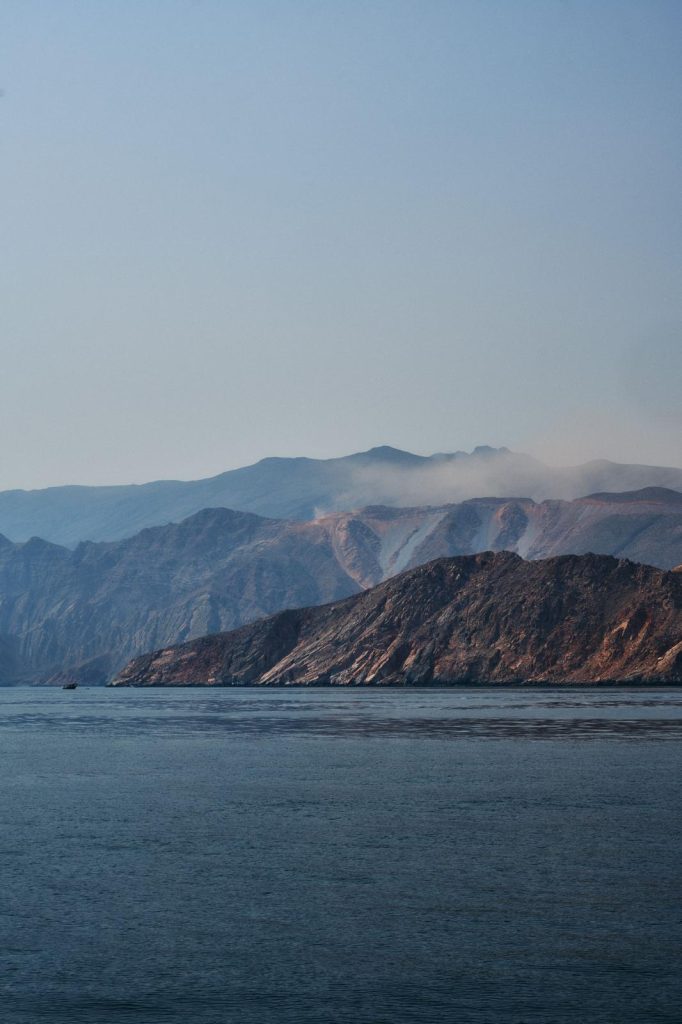
Amid discussions about ensuring maritime security in the Strait of Hormuz —an issue that is currently dominating much of the world’s attention and has been both a cause and a consequence of recent developments—some unconfirmed media reports have stated that the Sultanate of Oman, through its discussions with Iran on this matter, has put forward […]
Beyond Crisis Management: Building National Resilience

The recent regional conflict demonstrated that modern crises extend far beyond conventional military confrontations. Within days, the region experienced missile and drone attacks, disruptions to maritime navigation, cyber threats, uncertainty in global energy markets, and concerns over the continuity of trade and essential services. While the Kingdom of Bahrain successfully navigated this period with limited […]
Saudi Arabia on the Verge of Joining the Nuclear Club
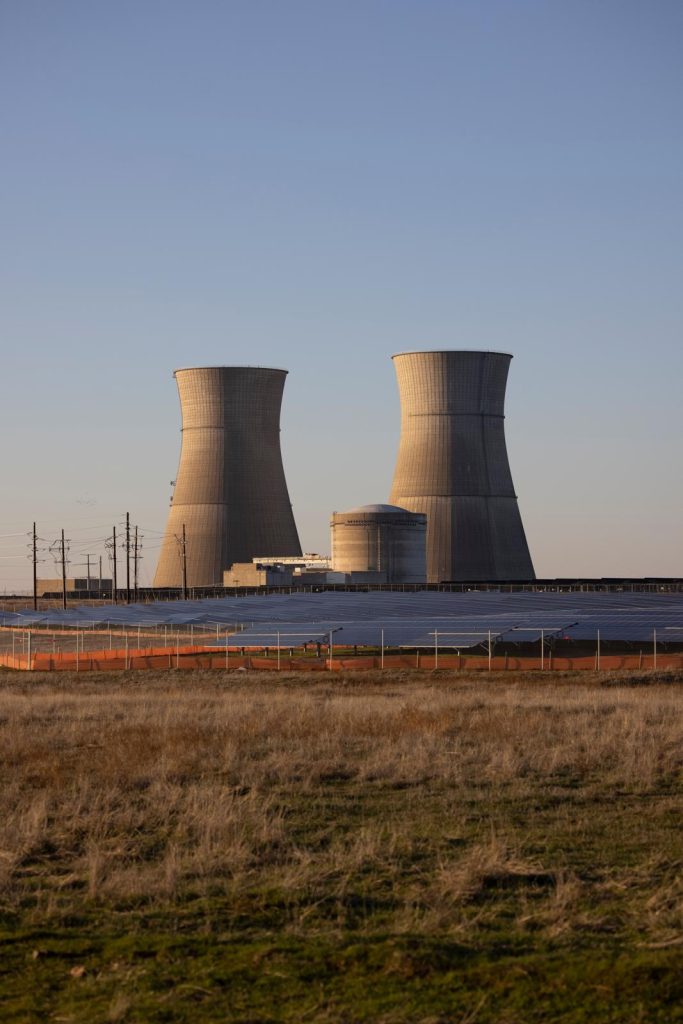
Saudi-U.S. relations have recently seen a significant development with the signing by U.S. Secretary of Energy Chris Wright and Saudi Minister of Energy His Royal Highness Prince Abdulaziz bin Salman bin Abdulaziz Al Saud of the Agreement on Peaceful Nuclear Cooperation, known as the “123 Agreement,” along with the accompanying bilateral safeguards agreement. The U.S. […]
Derasat CEO Participates in 16th Gulf Research Meeting at Cambridge University
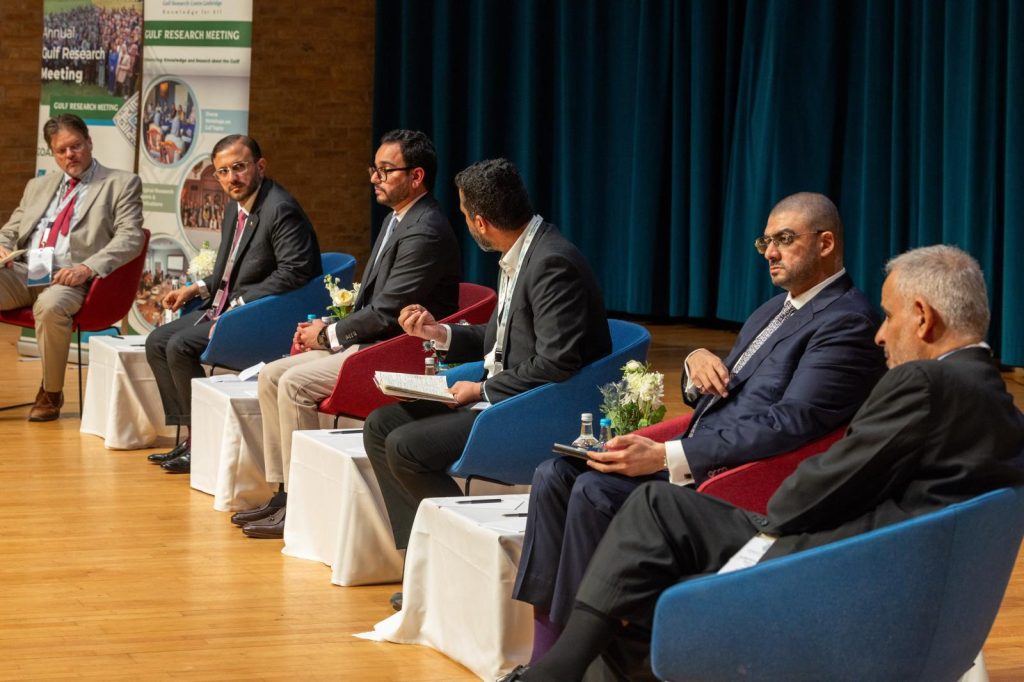
Mr. Abdulla Mohamed Alahmed, CEO of the Bahrain Center for Strategic, International and Energy Studies (Derasat), participated in the 16th annual Gulf Research Meeting (GRM), organized by the Gulf Research Center (GRC) and hosted at the University of Cambridge in the United Kingdom. The meeting brought together a distinguished gathering of around 50 senior policymakers, […]